


Introduction
In the early 1970s, the bustling streets of Kinshasa thrummed with an electrifying energy, a vibrant reflection of Zaire’s passion for football. The capital city, nestled along the banks of the Congo River, was a mosaic of sounds and sights. The rhythmic beats of soukous music mingled with the cheers from local football matches, creating a symphony of national pride and anticipation. Football was more than a sport; it was a unifying force, a source of immense pride for a country striving to assert its identity on the global stage.
Under the authoritarian yet charismatic rule of President Mobutu Sese Seko, Zaire was undergoing a period of intense transformation. Mobutu’s vision of ‘authenticité’ sought to forge a strong national identity, free from colonial influences. This cultural renaissance permeated all aspects of life, including sports. Mobutu recognized football’s potential to unite the nation and project Zaire’s burgeoning prowess to the world. His administration poured resources into the sport, nurturing talent and building infrastructure, with the grand ambition of showcasing Zaire on the world stage.
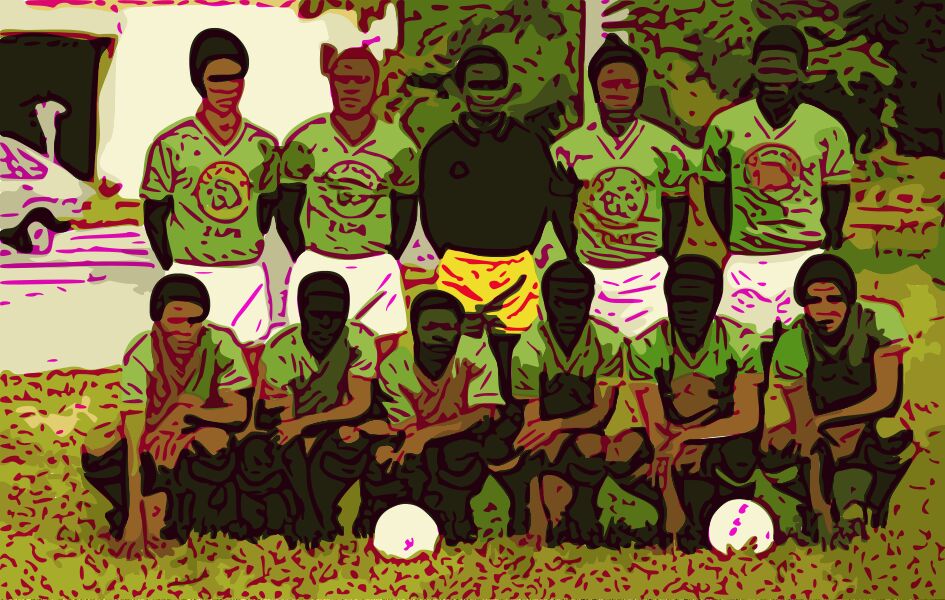
The nation’s footballing journey reached a historic milestone when Zaire became the first Sub-Saharan African team to qualify for the FIFA World Cup in 1974. This remarkable achievement was not just a victory for Zaire, but a watershed moment for African football. It challenged entrenched stereotypes and began to shift global perceptions about the continent’s potential in the sport. The story of Zaire’s qualification is one of determination, resilience, and a profound desire to make a lasting impact.
The significance of Zaire’s qualification for the 1974 World Cup extends beyond the boundaries of sport. It marked the beginning of a new era for African football, inspiring future generations and paving the way for the continent’s increasing presence on the global football scene. This article delves into the rich tapestry of events, personalities, and cultural shifts that defined Zaire’s journey to the World Cup, exploring how this historic moment became a catalyst for the ascendancy of African football.
Section 1: The Road to Qualification
CAF Qualification Rounds
The path to the 1974 World Cup for Zaire was fraught with challenges, underscored by moments of brilliance and unyielding determination. The qualification process for African teams was intensely competitive, reflecting the growing ambitions of nations across the continent. In the early 1970s, African football was still fighting for recognition and respect on the global stage, making every match a battle for prestige and pride.
Zaire entered the qualification rounds with a sense of purpose. The team, led by the astute and charismatic coach Blagoje Vidinić, navigated through a series of grueling encounters. The journey began with the preliminary round against Togo. Zaire displayed their attacking prowess, securing a convincing victory that set the tone for the campaign. The next hurdle was Cameroon, a formidable opponent known for their physicality and tactical discipline. Overcoming Cameroon in a tightly contested series underscored Zaire’s growing confidence and tactical acumen.
The final round of qualification pitted Zaire against Ghana, a team with a rich footballing heritage. The two-legged affair was a test of nerves and skill. The first leg in Kinshasa saw Zaire triumph with a narrow victory, thanks to the heroics of goalkeeper Kazadi Mwamba and the clinical finishing of forward Ndaye Mulamba. The return leg in Accra was a cauldron of tension. Amidst the pressure, Zaire held their ground, securing a draw that was enough to book their place in the World Cup. This historic achievement was met with euphoria across Zaire, as the nation celebrated the dawn of a new era in its footballing history.
Team Composition
The success of Zaire’s qualification campaign was built on the foundation of a talented and cohesive squad. The team was a blend of seasoned veterans and emerging stars, each bringing their unique strengths to the table. Central to this squad was goalkeeper Kazadi Mwamba, whose agility and composure under pressure were pivotal throughout the qualification rounds. His performances earned him the nickname “Le Chat,” symbolizing his quick reflexes and commanding presence in goal.
Defensively, the team was anchored by the robust and reliable Mwepu Ilunga. Known for his tenacity and tactical awareness, Ilunga provided a stabilizing influence at the back. In midfield, the creative spark was provided by Mayanga Maku, whose vision and passing ability orchestrated Zaire’s attacking play. Upfront, Ndaye Mulamba emerged as the talismanic figure, with his knack for scoring crucial goals earning him a revered status among fans.
Coach Blagoje Vidinić, a former Yugoslavian international, played a crucial role in shaping the team’s identity. His emphasis on discipline, tactical organization, and physical fitness transformed Zaire into a formidable unit. Vidinić’s international experience and strategic insights were instrumental in navigating the complexities of the qualification campaign.
Public and Political Support
The journey to the World Cup was not just a sporting endeavor; it was a national mission supported by the highest echelons of power. President Mobutu Sese Seko’s government saw football as a vehicle for promoting national unity and international prestige. The President personally involved himself in the team’s preparations, ensuring that they had the best facilities and support.
Mobutu’s regime invested heavily in football infrastructure, including the construction of modern stadiums and training facilities. The iconic Stade du 20 Mai in Kinshasa became a fortress for the national team, where passionate home crowds spurred the players to greater heights. The government also facilitated international training camps and friendly matches, exposing the team to different styles of play and higher levels of competition.
The public’s support for the team was fervent and unwavering. Football matches were events of national significance, drawing thousands of fans who created a vibrant and intimidating atmosphere. The collective pride and hope of a nation rested on the shoulders of the players, who embraced their role as ambassadors of Zairean pride and ambition.
Zaire’s successful qualification for the 1974 World Cup was a testament to the synergy between a talented squad, astute coaching, and robust support from both the public and the political establishment. It set the stage for an unforgettable journey that would leave an indelible mark on the annals of African football history.
Section 2: Arrival and Preparation
Journey to West Germany
The journey to the 1974 World Cup in West Germany was a momentous occasion for the Zairean national team. As they boarded the plane to Europe, the players carried with them the hopes and dreams of an entire nation. For many of the squad, it was their first time leaving the African continent, and the prospect of competing on the world’s biggest footballing stage was both thrilling and daunting.
Upon arrival in West Germany, the team was greeted with a mix of curiosity and admiration. The sight of the Zairean players in their striking green and yellow kits, representing the heart of Africa, was a novel spectacle for many Europeans. The cultural contrasts were stark, from the chilly European spring to the organized chaos of the bustling German cities. Nevertheless, the players were determined to acclimatize and make the most of this unique opportunity.
Training and Camps
The Zairean squad settled into their training camp with a sense of purpose. Their preparations in West Germany were meticulously planned, focusing on physical conditioning, tactical drills, and acclimatization to the European style of play. Coach Blagoje Vidinić, with his extensive international experience, was instrumental in guiding the team through this critical phase.
Training sessions were intense and structured, reflecting Vidinić’s philosophy of discipline and organization. The players worked tirelessly on their fitness, recognizing that endurance would be key against the physically demanding European teams. Tactical sessions emphasized defensive solidity, quick transitions, and exploiting set-piece opportunities. The coaching staff also arranged a series of friendly matches against local German clubs, providing valuable match practice and helping the players adapt to the pace and physicality of European football.
The camaraderie within the squad was palpable. The shared experience of being the first Sub-Saharan African team to qualify for the World Cup created a strong bond among the players. They drew strength from their collective identity, proud to represent not just Zaire, but the entire African continent. Team captain Kidumu Mantantu, a figure of respect and leadership, played a crucial role in maintaining morale and focus within the group.
Media and Public Perception
The international media’s interest in Zaire’s World Cup journey was significant. As the first team from Sub-Saharan Africa to reach this stage, they were seen as trailblazers. The global press was keen to document their story, often framing it within the broader narrative of Africa’s rising potential in football. While some coverage was tinged with patronizing tones, much of it was genuinely appreciative of the team’s achievement and curious about their prospects.
In Zaire, the excitement was at fever pitch. The government and media orchestrated a patriotic fervor, with extensive coverage of the team’s preparations and matches. Radio broadcasts, newspaper articles, and television reports kept the public engaged and hopeful. The players received messages of support from across the country, reinforcing their status as national heroes.
The Zairean government, led by President Mobutu, capitalized on the World Cup to bolster national pride and international prestige. Mobutu saw the team’s participation as a reflection of Zaire’s progress and potential under his rule. He ensured that the players were well-supported, both logistically and financially, and frequently communicated his expectations and encouragement to the squad.
As the tournament approached, the Zairean players were acutely aware of the symbolic weight they carried. They were not just competing for themselves or their country, but for an entire continent eager to assert its place in the global football hierarchy. The stage was set for a historic and transformative experience, one that would resonate far beyond the football pitches of West Germany.
Zaire’s meticulous preparation and the fervent support from both the public and the political leadership underscored the significance of their World Cup participation. It was a journey that went beyond football, encapsulating the aspirations and resilience of a nation and a continent.
Section 3: The Group Stage Matches
Match 1: Zaire vs. Scotland
The opening match for Zaire in the 1974 World Cup was against Scotland on June 14th. The team approached the game with a mixture of excitement and apprehension. Scotland, with its storied football history and experienced squad, presented a formidable challenge. The match was held at the Westfalenstadion in Dortmund, with a capacity crowd eagerly anticipating the clash.
As the whistle blew, Zaire showcased their spirited play and commitment. The team started energetically, with midfielders Mayanga Maku and Ndaye Mulamba attempting to control the pace. However, Scotland’s superior experience and tactical discipline quickly became evident. Joe Jordan’s goal in the 26th minute was a blow to Zaire’s confidence, and despite their best efforts, they struggled to find an equalizer. In the second half, Scotland’s Denis Law added a second goal, cementing their dominance.
The match ended 2-0 in favor of Scotland. While Zaire’s performance was commendable for their tenacity and effort, it was clear that they faced a steep learning curve. The players left the pitch with heads held high, aware of the lessons to be learned and the improvements needed for their next encounter.
Match 2: Zaire vs. Yugoslavia
The second group stage match, held on June 18th, was a pivotal moment for Zaire. Yugoslavia, a powerhouse in European football, represented an even sterner test. The match, played at the Parkstadion in Gelsenkirchen, turned out to be a harrowing experience for Zaire.
From the outset, Yugoslavia’s technical prowess and physicality overwhelmed Zaire. Goals came quickly and relentlessly. By halftime, the scoreline was an astonishing 6-0. Zaire’s defense, led by Mwepu Ilunga, was under constant siege, and the team struggled to cope with the speed and precision of the Yugoslavian attack. The second half saw three more goals, culminating in a 9-0 defeat.
The heavy loss was a sobering reality check for Zaire. The players were visibly dejected, and the result sparked intense scrutiny back home. Despite the demoralizing defeat, the team remained determined to restore some pride in their final group match.
Match 3: Zaire vs. Brazil
On June 22nd, Zaire faced their final group stage opponent, the reigning champions Brazil. The match at the Waldstadion in Frankfurt was arguably the most anticipated, given Brazil’s legendary status and Zaire’s underdog narrative.
The game’s most memorable moment came in the 79th minute when Zaire was already trailing 3-0. Brazil was awarded a free-kick just outside the penalty area. As Rivellino prepared to take the kick, Zairean defender Mwepu Ilunga sprinted forward and kicked the ball away before the Brazilian could strike it. This act, though seemingly a breach of rules, was a spontaneous expression of frustration and confusion under pressure, capturing global attention and later becoming an iconic moment in World Cup history.
Despite the 3-0 loss, Zaire’s defensive effort against the star-studded Brazilian squad was commendable. The team managed to contain Brazil’s attacking threats for much of the game, demonstrating their resilience and tactical discipline. The match concluded Zaire’s World Cup journey, leaving the players with a mix of pride and regret.
Section 4: Aftermath and Reflections
Immediate Reactions
The immediate aftermath of Zaire’s World Cup exit was a period of intense reflection and mixed emotions. The players, while disappointed by the outcomes, also felt a sense of accomplishment for having represented their country on such a prestigious stage. In interviews and public statements, team members expressed a desire to build on their experiences and improve for future competitions.
However, the reaction back home was more complex. The Zairean public and media, initially euphoric about the team’s World Cup participation, were now grappling with the harsh realities of the results. Criticism was leveled at various aspects, from player performances to coaching strategies. Yet, amidst the critiques, there was also a recognition of the historical significance of their achievement.
Political Repercussions
President Mobutu’s regime, which had heavily invested in the team’s success, was keenly aware of the political implications of the World Cup results. The government’s initial support and fanfare were replaced by a more subdued response. There were reports of the players facing harsh criticism and even threats upon their return, a stark contrast to the celebrations that had preceded their departure.
Mobutu’s reaction was emblematic of his broader political strategy, where success was used to bolster his regime’s legitimacy. The disappointing results, therefore, were a potential threat to his narrative of Zairean progress and excellence. Nonetheless, the President continued to support football as a means of fostering national unity and pride.
Media Coverage
The global media’s coverage of Zaire’s World Cup journey was extensive and varied. While some reports focused on the team’s defeats and the infamous free-kick incident against Brazil, others highlighted the broader context of their historic participation. The narrative of an African team breaking new ground resonated with audiences worldwide, sparking discussions about the future of African football.
In Zaire, the media’s tone shifted from initial exuberance to critical analysis. Newspapers and radio programs dissected the matches, offering both praise and criticism. The coverage helped foster a national conversation about the state of football in Zaire and the necessary steps for future improvement.
Section 5: Long-Term Impact on African Football
Changing Perceptions
Zaire’s participation in the 1974 World Cup marked a pivotal moment in changing global perceptions of African football. Despite the on-field struggles, the mere presence of a Sub-Saharan African team at the World Cup challenged longstanding stereotypes and assumptions about the continent’s footballing capabilities. It signaled that African teams could compete at the highest levels, paving the way for future generations.
This shift in perception was evident in subsequent World Cups, where African teams began to make more regular appearances and achieve notable successes. The visibility of Zaire’s journey inspired young players across the continent, who saw in it a path to international recognition and glory.
CAF Developments
The Confederation of African Football (CAF) took significant steps to build on Zaire’s historic achievement. Increased investment in youth development programs, infrastructure, and coaching education became priorities. The success of Zaire’s qualification underscored the need for stronger domestic leagues and international exposure for African teams.
CAF also lobbied for more World Cup spots for African teams, arguing that the continent’s potential was underrepresented. This advocacy eventually led to an increase in the number of African teams participating in future World Cups, further integrating African football into the global scene.
Inspirational Legacy
The legacy of Zaire’s 1974 World Cup team extends far beyond their performances on the pitch. Their story became a beacon of inspiration for African nations striving to make their mark in world football. Teams like Cameroon in 1990, Senegal in 2002, and Ghana in 2010 drew inspiration from Zaire’s pioneering journey, achieving remarkable successes and enhancing the continent’s footballing reputation.
Players and coaches from the 1974 squad went on to contribute to football development in various capacities, sharing their experiences and knowledge. The team’s legacy is a testament to the power of sport to transcend boundaries and inspire future generations.
Section 6: Personal Stories and Interviews
Player Narratives
The personal stories of the players from Zaire’s 1974 World Cup squad add a rich, human dimension to their historic journey. Goalkeeper Kazadi Mwamba, for instance, recounted the mix of pride and pressure he felt, knowing he was representing not just his country but an entire continent. His experiences of facing some of the world’s best players were both humbling and motivating, shaping his future career in football.
Mwepu Ilunga, whose free-kick incident against Brazil became iconic, often reflected on the moment with a blend of humor and frustration. He explained how the incident, born out of confusion and desperation, unexpectedly highlighted the challenges faced by African teams in adapting to international standards and expectations.
Coaching and Staff Insights
Coach Blagoje Vidinić’s insights provide a valuable perspective on the team’s preparation and challenges. In interviews, Vidinić emphasized the dedication and potential of the Zairean players, while also acknowledging the logistical and cultural hurdles they faced. His reflections on the need for better infrastructure and support systems for African teams continue to resonate in discussions about football development on the continent.
Staff members, including team doctors and support personnel, shared stories of the behind-the-scenes efforts to keep the team motivated and focused. Their contributions, often overlooked, were crucial in managing the physical and mental well-being of the players during the intense World Cup campaign.
Family and Community Impact
The impact of the 1974 World Cup journey extended to the families and communities of the players. Families experienced a rollercoaster of emotions, from pride in their loved ones’ achievements to concern over the intense scrutiny and pressures they faced. Community celebrations and gatherings to watch the matches brought people together, fostering a sense of collective pride and unity.
The players’ experiences also inspired young footballers in their communities, who saw in them role models and trailblazers. The legacy of the 1974 team continues to influence aspiring footballers, highlighting the importance of perseverance, resilience, and national pride.
Conclusion
The legacy of Zaire’s 1974 World Cup team is a story of courage, resilience, and pioneering spirit. Their journey not only marked a significant milestone in African football history but also inspired future generations to dream and achieve on the global stage. Despite the challenges and setbacks, Zaire’s participation in the 1974 World Cup remains a testament to the enduring power of sport to unite, inspire, and transform.
This detailed exploration of Zaire’s World Cup journey underscores the broader implications for African football, highlighting the progress made and the potential that continues to unfold. As we reflect on their historic achievement, we celebrate the pioneers who paved the way for the ascendancy of African football on the world stage.
