


Introduction
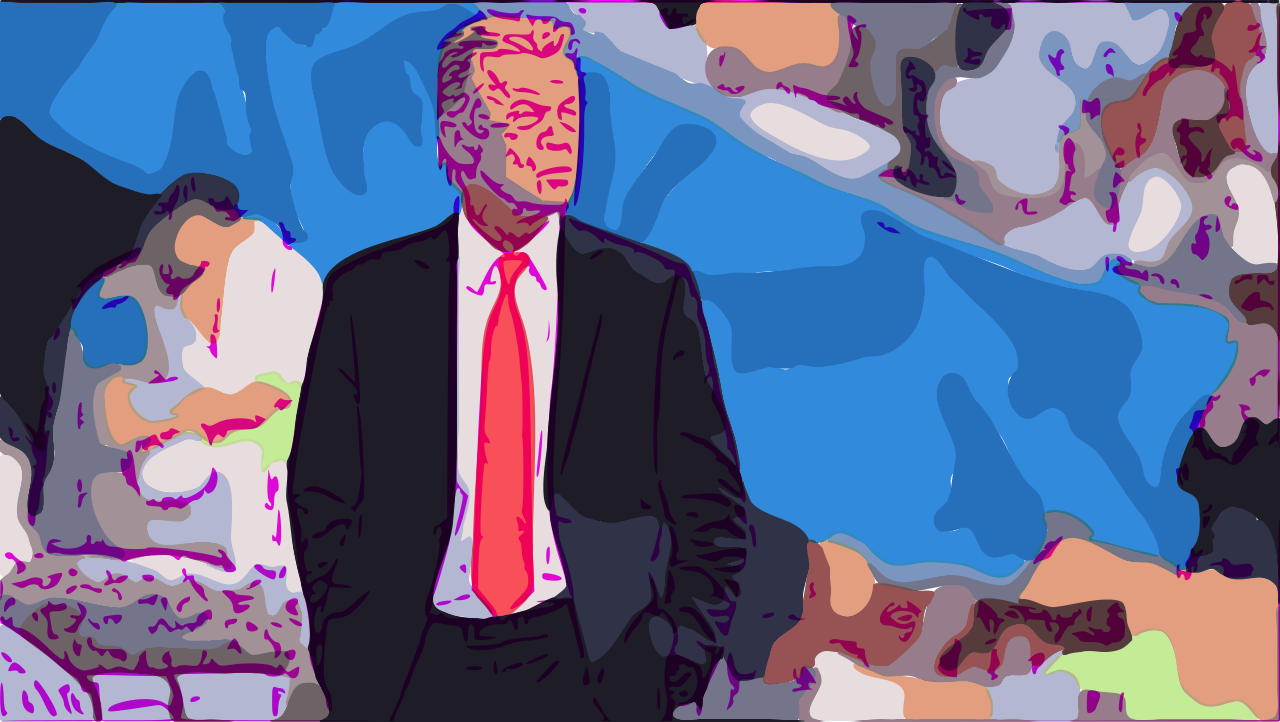
On a balmy evening, the stadium lights cast long shadows across the pitch, illuminating the final chapter of an illustrious career. Ottmar Hitzfeld, with his signature calm demeanor, stood on the touchline, his eyes reflecting a mixture of determination and pride. The tension was palpable as the clock ticked down the final minutes of the match, a culmination of years of tactical genius and unparalleled man-management. It was a scene that encapsulated not just a game, but the very essence of Hitzfeld’s journey in football.
Ottmar Hitzfeld’s story is one of transformation and triumph, a narrative woven through the annals of European football. From his early days as a player in Switzerland to his rise as one of the most successful managers in the history of the sport, Hitzfeld’s career is a testament to his tactical acumen and his ability to inspire and lead. This article delves into the life and legacy of a man who not only achieved unprecedented success with Borussia Dortmund and Bayern Munich but also left an indelible mark on the world of football through his innovative strategies and exceptional leadership. Through a detailed exploration of his journey, we uncover the elements that made Ottmar Hitzfeld a true footballing legend.
Early Life and Playing Career
Birth and Early Years
Ottmar Hitzfeld was born on January 12, 1949, in Lörrach, a small town in the southwestern corner of Germany, nestled close to the Swiss and French borders. His early life was steeped in the culture of football, a sport that ran deep in the veins of the local community. From a young age, Hitzfeld demonstrated a keen interest and natural talent for the game, often spending countless hours honing his skills on the local pitches. His passion for football was evident, and it wasn’t long before his potential caught the attention of scouts.
Playing Career Highlights
Hitzfeld’s professional playing career began with FC Basel, a prominent Swiss club, where he quickly established himself as a formidable forward. His time at Basel was marked by significant success, including winning the Swiss Super League in the 1971-72 season. Known for his sharp instincts and goal-scoring prowess, Hitzfeld became a key player for Basel, contributing not only with his goals but also with his tactical intelligence on the field.
In 1973, Hitzfeld moved to VfB Stuttgart, where he continued to showcase his abilities in the competitive environment of the Bundesliga. His tenure at Stuttgart was a testament to his adaptability and skill, as he consistently performed against some of the toughest defences in European football. However, it was his return to Switzerland with FC Lugano that marked the latter part of his playing career. At Lugano, Hitzfeld’s experience and leadership qualities shone through, setting the stage for his eventual transition into coaching.
Transition to Coaching
The transition from player to coach is often a challenging one, but for Hitzfeld, it seemed almost seamless. His deep understanding of the game, combined with his analytical mind, made coaching a natural progression. After hanging up his boots, Hitzfeld took on his first managerial role with FC Zug in the Swiss lower leagues. This period was crucial for his development as a coach, allowing him to experiment with tactics and man-management techniques that would later define his career.
Hitzfeld’s early coaching years were characterized by a methodical approach to the game. He focused on understanding the nuances of player psychology and the intricacies of tactical systems. His ability to read the game and make decisive changes became a hallmark of his managerial style. These formative years laid the foundation for his future successes and established him as a rising star in the world of football management.
In retrospect, Hitzfeld’s playing career may not have reached the heights of some of his contemporaries, but it was his insights and experiences gained on the pitch that equipped him with the tools to become a legendary manager. His journey from the fields of Lörrach to the dugouts of Europe’s most prestigious clubs is a story of dedication, intelligence, and an unwavering passion for the beautiful game.
The Rise at Borussia Dortmund
Appointment and Early Challenges
In the summer of 1991, Borussia Dortmund made a bold decision that would change the trajectory of the club’s history. They appointed Ottmar Hitzfeld as their manager, a choice that raised eyebrows among some, considering his relatively modest coaching resume at the time. Yet, the Dortmund board saw potential in Hitzfeld’s meticulous approach and his deep understanding of the game.
Hitzfeld inherited a team in need of restructuring and morale-boosting. His first season was one of adjustment and laying the groundwork for future success. He introduced a disciplined training regimen and began implementing a tactical system that emphasized balance and adaptability. The initial results were mixed, but the signs of improvement were evident. Hitzfeld’s ability to communicate his vision and gain the trust of his players was key to overcoming these early challenges.
Domestic Success
The turning point for Hitzfeld’s Dortmund came in the 1994-95 season when the team clinched the Bundesliga title, their first in over three decades. This achievement was a testament to Hitzfeld’s tactical acumen and his ability to get the best out of his squad. Dortmund’s success was built on a solid defense, a dynamic midfield, and a potent attack, exemplifying Hitzfeld’s balanced approach.
The following season, Dortmund successfully defended their title, showcasing their consistency and resilience. Key matches during this period included crucial victories over rivals Bayern Munich and decisive performances against other top contenders. Players like Matthias Sammer, Andreas Möller, and Karl-Heinz Riedle became household names, their performances reflecting Hitzfeld’s influence and strategic brilliance.
European Glory
While domestic success solidified Hitzfeld’s reputation, it was the 1996-97 UEFA Champions League campaign that truly elevated him to legendary status. Dortmund’s journey to the final was marked by tactical masterclasses and thrilling encounters. The pinnacle came at the Olympiastadion in Munich, where Dortmund faced Juventus, the defending champions.
In a display of tactical ingenuity, Hitzfeld’s Dortmund outplayed the Italian giants, securing a 3-1 victory. Goals from Karl-Heinz Riedle and a memorable strike by Lars Ricken sealed the triumph. Hitzfeld’s decision to deploy Ricken as a substitute, who scored with his first touch, epitomized his knack for making game-changing decisions. This victory not only crowned Dortmund as European champions but also cemented Hitzfeld’s status as one of the top managers in football.
The Move to Bayern Munich
Transition Period
After achieving remarkable success with Borussia Dortmund, Hitzfeld took on a new challenge in 1998, joining Bayern Munich. The move was seen as a natural progression, given Bayern’s status as Germany’s premier club and their ambition to dominate both domestically and in Europe. Hitzfeld faced immense pressure to deliver immediate results, stepping into a club with high expectations and a history of success.
The transition was not without its difficulties. Bayern Munich’s squad, brimming with talent, required careful management to integrate Hitzfeld’s philosophy. His initial focus was on solidifying the team’s defense and instilling a winning mentality. Despite some early hiccups, Hitzfeld’s influence began to take shape, and Bayern’s performances improved steadily.
Domestic Dominance
Under Hitzfeld’s guidance, Bayern Munich soon reasserted their dominance in the Bundesliga. The team won multiple league titles during his tenure, with Hitzfeld’s tactical flexibility playing a crucial role. He adeptly rotated his squad, ensuring that key players were rested and fresh for critical matches.
One of the standout seasons was 1998-99, where Bayern clinched the Bundesliga title and reached the UEFA Champions League final. Despite the heart-breaking loss to Manchester United in the final minutes, Hitzfeld’s reputation as a top tactician remained intact. His ability to bounce back from setbacks was evident in subsequent seasons, where Bayern continued to amass trophies, including the domestic double in 2000.
European Triumphs
The crowning glory of Hitzfeld’s tenure at Bayern Munich came in 2001. After narrowly missing out on European glory in 1999, Hitzfeld led Bayern to victory in the UEFA Champions League. The final against Valencia was a tense affair, ultimately decided by a penalty shootout. Bayern’s triumph was a testament to Hitzfeld’s tactical prowess and his ability to manage high-pressure situations.
Key players like Oliver Kahn, Stefan Effenberg, and Giovane Élber played pivotal roles in this success, embodying Hitzfeld’s philosophy of resilience and determination. The Champions League victory was followed by the Intercontinental Cup win, solidifying Bayern’s status as a global football powerhouse and reaffirming Hitzfeld’s legacy.
Legacy at Bayern Munich
Hitzfeld’s impact on Bayern Munich extended beyond the trophies. He instilled a culture of professionalism and excellence, influencing the club’s approach to management and player development. His ability to blend experienced stars with emerging talents set a template for future success. Hitzfeld’s tenure at Bayern is remembered not just for the titles, but for the lasting imprint he left on the club’s ethos and identity.
Tactical Acumen
Formations and Strategies
Hitzfeld was known for his tactical flexibility, adapting his formations and strategies to suit the strengths of his squad and the challenges posed by opponents. While he often favored a traditional 4-4-2 formation, his willingness to experiment with different setups made him unpredictable and difficult to counter.
His use of a high-pressing game disrupted opponents’ build-up play, while his emphasis on quick transitions allowed his teams to exploit spaces effectively. Hitzfeld’s meticulous planning extended to set-pieces, where his teams often excelled, scoring crucial goals from well-rehearsed routines.
Man-Management Skills
Beyond his tactical acumen, Hitzfeld’s man-management skills were legendary. He had an innate ability to understand his players, motivate them, and foster a strong team spirit. Hitzfeld’s approach was characterized by empathy and respect, creating an environment where players felt valued and inspired to perform at their best.
His relationship with key players like Matthias Sammer, Oliver Kahn, and Stefan Effenberg exemplified his ability to manage egos and harness individual talents for the greater good of the team. Hitzfeld’s knack for making decisive substitutions and tactical adjustments during matches further highlighted his deep understanding of the game and his players.
Later Career and International Management
Return to Borussia Dortmund
In 2003, Hitzfeld briefly returned to Borussia Dortmund, a move that was met with great anticipation. Although his second stint was not as successful as his first, Hitzfeld’s presence provided stability and experience during a challenging period for the club. His influence helped lay the groundwork for Dortmund’s future successes under different leadership.
Swiss National Team
Hitzfeld’s managerial journey took a new direction in 2008 when he took charge of the Swiss national team. His appointment was seen as a coup for Swiss football, given his track record and expertise. Under Hitzfeld, Switzerland qualified for the 2010 and 2014 World Cups, showcasing disciplined and competitive performances on the international stage.
Notable moments included Switzerland’s shock victory over Spain in the 2010 World Cup group stage, a tactical masterclass that demonstrated Hitzfeld’s ability to outthink even the most formidable opponents. His tenure with the Swiss national team reinforced his reputation as a manager who could succeed at both club and international levels.
Personal Life and Off-Field Contributions
Character and Philosophy
Hitzfeld’s personal philosophy was rooted in discipline, hard work, and respect. He believed in leading by example, maintaining a calm and composed demeanor even in the most stressful situations. His ability to stay grounded and focused earned him the respect of players, peers, and fans alike.
Contributions to Football
Beyond his achievements on the pitch, Hitzfeld contributed significantly to the development of football. He mentored aspiring coaches, sharing his knowledge and experiences to help shape the next generation of managers. His insights into tactical innovation and player management have been widely studied and adopted by coaches around the world.
Retirement and Legacy
Hitzfeld officially retired from management after the 2014 World Cup, leaving behind a legacy that few could match. His impact on clubs like Borussia Dortmund and Bayern Munich, as well as his influence on the Swiss national team, ensured that he would be remembered as one of football’s great tacticians and leaders. In retirement, Hitzfeld remained active in football through punditry and mentorship, continuing to share his passion for the game.
Impact and Legacy
Influence on Modern Football
Hitzfeld’s influence on modern football is profound. His tactical innovations, particularly his use of flexible formations and high-pressing systems, have been adopted by many contemporary managers. His emphasis on team cohesion and mental resilience has also set a standard for how teams prepare for and approach matches.
Comparisons with Contemporaries
When comparing Hitzfeld to his contemporaries, his ability to achieve success in different leagues and contexts stands out. His adaptability and consistent delivery of results put him in the same echelon as other managerial greats like Sir Alex Ferguson, Carlo Ancelotti, and José Mourinho.
Recognition and Awards
Hitzfeld’s career is adorned with numerous accolades, including Bundesliga titles, UEFA Champions League trophies, and individual awards recognizing his contributions to football. He has been inducted into various halls of fame and continues to be celebrated for his achievements.
Conclusion
Ottmar Hitzfeld’s journey from a modest town in Germany to the pinnacle of European football is a story of dedication, intelligence, and passion. His ability to inspire and lead, coupled with his tactical genius, has left an indelible mark on the game. As we reflect on his illustrious career, Hitzfeld’s legacy remains a testament to what can be achieved through hard work, strategic thinking, and an unwavering love for football.
