


Introduction
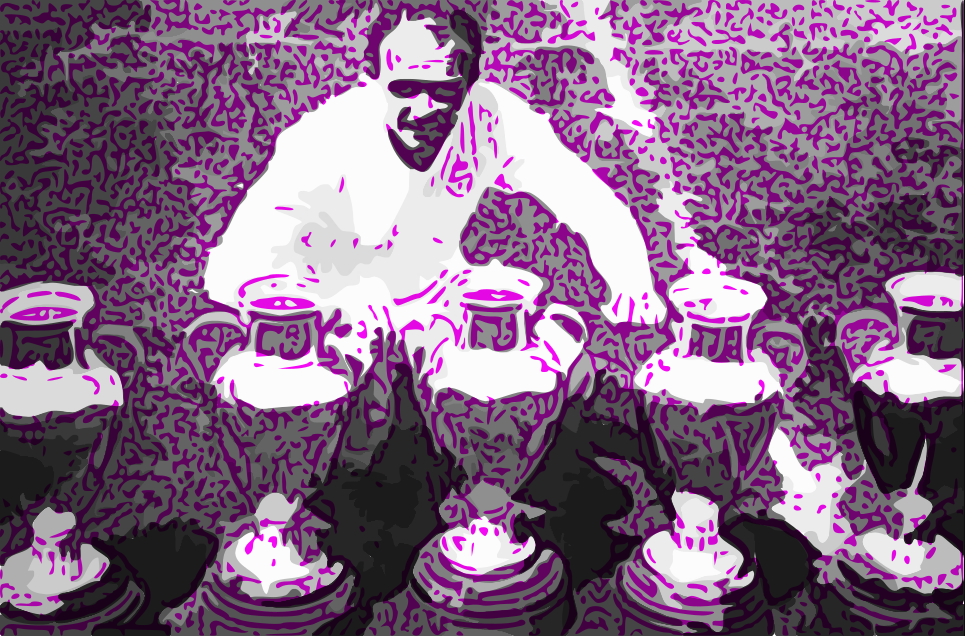
In the accounts of football history, few periods stand as tall and as impactful as Real Madrid’s dominance in the European Cup from 1956 to 1960. This era, marked by an unprecedented sequence of five consecutive European Cup victories, not only etched Real Madrid’s name into the fabric of European football but also set the stage for the club’s enduring legacy as one of the sport’s most formidable forces. It was a time when the boundaries of the game were pushed, and the very essence of European football was redefined through sheer brilliance on the pitch and strategic acumen off it.
The mid-1950s saw the inception of the European Cup, a tournament conceived to crown the best club team on the continent. Real Madrid, under the visionary leadership of club president Santiago Bernabéu, seized this opportunity to showcase their prowess on a grander stage. The club’s ambition was clear: to dominate European football and to do so with a style and flair that would leave an indelible mark on the sport.
At the heart of this remarkable period were a few key figures whose contributions were nothing short of legendary. Alfredo Di Stéfano, often hailed as one of the greatest players of all time, was the linchpin of Real Madrid’s success. His intelligence, versatility, and extraordinary skill set him apart as a player who could influence every aspect of the game. Alongside him was Ferenc Puskás, the Hungarian maestro whose arrival in Madrid added a new dimension to the team’s attacking prowess. Puskás’s scoring ability and partnership with Di Stéfano created a formidable offensive duo that struck fear into the hearts of opponents across Europe.
Francisco Gento, the fleet-footed winger known for his blistering pace and dribbling skills, was another pivotal figure in Real Madrid’s European campaigns. His ability to stretch defenses and create opportunities was instrumental in the club’s success. Together with Di Stéfano and Puskás, Gento formed the backbone of a team that played with a blend of technical brilliance and tactical sophistication.
As Real Madrid embarked on their European adventures, they faced and overcame numerous challenges, showcasing their resilience and adaptability. Each triumph in the European Cup added to the club’s growing mystique and drew the admiration of fans and competitors alike. The narrative of Real Madrid’s first five European Cups is not just a story of victories and trophies; it is a tale of how a group of extraordinary individuals came together to create something truly historic.
This golden era of Real Madrid laid the foundations for the club’s future successes and set a benchmark for excellence in European football. The legacy of these early triumphs continues to inspire and influence the modern game, reminding us of a time when football was a blend of artistry, strategy, and sheer determination. As we delve into the specifics of each campaign and the contributions of these iconic players, we uncover a chapter in football history that remains as compelling and significant today as it was more than six decades ago.
Chapter 1: The Genesis of a Dynasty
Background on the Formation of the European Cup
The idea for a pan-European football tournament was first proposed by Gabriel Hanot, a French sports journalist, in the early 1950s. Hanot’s vision was to create a competition that would determine the best club team on the continent, elevating the sport to new heights of prestige and excitement. This vision resonated with many, especially as football was growing in popularity across Europe. The inaugural European Cup, now known as the UEFA Champions League, was launched in the 1955-56 season, bringing together the champions of various national leagues.
Real Madrid, under the leadership of the indomitable Santiago Bernabéu, saw this as a golden opportunity to establish themselves as the preeminent club in Europe. Bernabéu, a former player and coach who had become the club’s president in 1943, had ambitious plans for Real Madrid. He envisaged a team that would dominate both domestically and internationally, and the European Cup was the perfect platform to realize this dream.
Real Madrid’s Early Ambitions and Santiago Bernabéu’s Vision
Santiago Bernabéu’s vision for Real Madrid extended beyond mere success on the pitch. He wanted to build an institution that symbolized excellence, innovation, and global appeal. His strategic foresight led to significant investments in infrastructure, including the construction of the new Estadio Santiago Bernabéu, which became a fortress for the team and a symbol of their ambitions.
Bernabéu was also instrumental in attracting top talent to the club. Understanding that star players were crucial to achieving his goals, he set about assembling a squad capable of competing with the best in Europe. His most significant acquisition would prove to be a player whose impact on the club and the sport would be monumental: Alfredo Di Stéfano.
The Recruitment of Alfredo Di Stéfano
Alfredo Di Stéfano’s arrival at Real Madrid in 1953 marked the beginning of a new era for the club. The Argentine forward, known for his versatility and football intelligence, was pursued by both Real Madrid and their fierce rivals, Barcelona. After a complex and contentious transfer saga, Di Stéfano ultimately joined Real Madrid, a decision that would alter the course of European football history.
Di Stéfano was a player like no other. His ability to influence the game from any position on the field made him invaluable. Whether orchestrating play from the midfield, leading the attack, or tracking back to defend, Di Stéfano’s presence elevated the entire team. His work ethic, technical skills, and tactical awareness set new standards for what it meant to be a complete footballer.
Di Stéfano’s Impact on the Team
From the moment Di Stéfano donned the famous white shirt, it was clear that Real Madrid had acquired a gem. His debut season saw Real Madrid clinch the La Liga title, setting the stage for their European exploits. Di Stéfano’s influence was not confined to his on-field performances; he brought a winning mentality and a sense of professionalism that permeated the squad.
His partnership with other talented players such as Francisco Gento and the later arrival of Ferenc Puskás created a formidable unit. Di Stéfano’s understanding of the game and his ability to bring out the best in his teammates were pivotal in Real Madrid’s early European Cup campaigns. The chemistry and synergy he developed with his teammates were evident in their fluid, attacking style of play, which became a hallmark of Real Madrid during this era.
Building the Foundation for Success
Real Madrid’s journey to European dominance began with meticulous planning and strategic vision. Santiago Bernabéu’s ambition, combined with the recruitment of world-class talent like Alfredo Di Stéfano, set the foundation for what would become a dynasty. The club’s early ambitions were clear: to dominate Europe and to do so with a style that was both entertaining and effective.
As Real Madrid prepared for their inaugural European Cup campaign, the pieces were in place for a historic run. The blend of experienced internationals, promising young talents, and a tactical approach that emphasized attacking football made them a formidable opponent for any team.
Chapter 2: The First Triumph (1955-1956)
Overview of the Inaugural European Cup Season
The 1955-56 season marked the beginning of what would become the most prestigious club competition in European football. The inaugural European Cup featured 16 teams from across the continent, each representing their respective national leagues as champions. This pioneering tournament was met with great anticipation, as it promised to determine the best club team in Europe.
Real Madrid, driven by the vision of Santiago Bernabéu and the brilliance of Alfredo Di Stéfano, entered the competition with high hopes and lofty ambitions. The club’s journey through this maiden season would not only test their mettle but also lay the foundation for their future dominance.
Key Matches and Turning Points
Real Madrid’s European Cup campaign began with a two-legged tie against Servette of Switzerland. The first leg, played in Geneva, saw Real Madrid secure a comfortable 2-0 victory, with Di Stéfano and Miguel Muñoz finding the net. The return leg at the Santiago Bernabéu Stadium ended in a 5-0 rout, as Real Madrid showcased their attacking prowess with goals from Rial, Muñoz, and Pérez Paya.
The quarter-finals presented a sterner test in the form of FK Partizan from Yugoslavia. Real Madrid won the first leg 4-0 at home, thanks to a hat-trick from Di Stéfano and a goal from Héctor Rial. However, the away leg in Belgrade proved challenging, with Partizan winning 3-0. Despite the loss, Real Madrid advanced to the semi-finals on aggregate.
In the semi-finals, Real Madrid faced AC Milan, a formidable opponent with a rich footballing tradition. The first leg in Madrid ended in a 4-2 victory for the home side, with goals from Rial, Di Stéfano, and José María Zárraga. The second leg in Milan was a tense affair, resulting in a 2-1 defeat for Real Madrid. Nonetheless, they advanced to the final with a 5-4 aggregate score, setting the stage for a historic showdown.
The Final Against Stade de Reims
The final, played at the Parc des Princes in Paris on 13 June 1956, was a fitting climax to the inaugural European Cup season. Real Madrid faced Stade de Reims, a team known for their attacking flair and tactical acumen. The match promised to be a thrilling encounter, pitting two of Europe’s best teams against each other.
Stade de Reims took an early lead with goals from Michel Leblond and Jean Templin, leaving Real Madrid trailing 2-0 within the first ten minutes. However, the Spanish side, led by the indomitable Di Stéfano, staged a remarkable comeback. Di Stéfano himself scored to pull one back, and Rial equalized shortly before half-time.
The second half saw Real Madrid take the lead through Marquitos, only for Reims to equalize again through Hidalgo. With the match finely poised at 3-3, Héctor Rial scored the decisive goal, securing a 4-3 victory for Real Madrid. This triumph not only crowned them as the first European Cup champions but also marked the beginning of their storied legacy in the competition.
Analysis of Di Stéfano’s Influence and His Role in the Victory
Alfredo Di Stéfano’s impact on Real Madrid’s first European Cup triumph cannot be overstated. His versatility, vision, and leadership on the field were instrumental in guiding the team through the competition. Di Stéfano’s ability to read the game and adapt to different situations made him a constant threat to opponents.
In the final against Stade de Reims, Di Stéfano’s performance was a testament to his extraordinary talent. His goal in the first half sparked Real Madrid’s comeback, and his overall play was characterized by relentless energy and tactical intelligence. Di Stéfano’s presence on the pitch galvanized his teammates, instilling a belief that no deficit was insurmountable.
Di Stéfano’s contributions went beyond scoring goals; he orchestrated play from deep, linked up with forwards, and even contributed defensively when needed. His all-encompassing role and ability to influence every aspect of the game set a new standard for what a forward could achieve. This performance in the final cemented his status as the linchpin of Real Madrid’s success and laid the groundwork for the club’s future triumphs.
Chapter 3: Consolidating Dominance (1956-1957)
Summary of the Second European Cup Campaign
Following their triumphant inaugural season, Real Madrid entered the 1956-57 European Cup campaign with a target on their backs. As defending champions, they faced heightened expectations and the challenge of living up to their newfound reputation. Under the guidance of coach José Villalonga, Real Madrid sought to consolidate their dominance and secure back-to-back titles.
Evolution Under José Villalonga
José Villalonga, the youngest coach to win the European Cup, played a crucial role in Real Madrid’s continued success. His tactical acumen and ability to manage a squad of talented players were pivotal. Villalonga emphasized a balanced approach, combining the attacking flair for which Real Madrid was renowned with a more organized defensive structure. This balance proved vital as they navigated the rigours of European competition.
Key Matches and the Road to the Final
Real Madrid’s second European campaign began with a first-round tie against SK Rapid Wien of Austria. The first leg in Vienna ended in a thrilling 4-2 victory for Real Madrid, with goals from Di Stéfano, Rial, and Gento. The return leg in Madrid saw Real Madrid secure their passage to the quarter-finals with a 2-2 draw, demonstrating their resilience and attacking prowess.
In the quarter-finals, Real Madrid faced OGC Nice from France. The first leg, played in Nice, resulted in a 3-0 defeat for the Spanish giants, raising concerns about their ability to defend their title. However, in the return leg at the Santiago Bernabéu, Real Madrid produced one of their most memorable performances. They overturned the deficit with a 4-0 victory, with Di Stéfano scoring twice and José María Zárraga and Mateos adding to the tally.
The semi-final pitted Real Madrid against Manchester United, a club with its own rich European ambitions. The first leg in Madrid was a classic encounter, ending in a 3-1 victory for Real Madrid, with goals from Di Stéfano, Rial, and Kopa. The return leg at Old Trafford was a hard-fought 2-2 draw, with Di Stéfano and Gento ensuring Real Madrid’s place in the final.
Examination of the Final Against Fiorentina
The final, held at the Santiago Bernabéu on 30 May 1957, saw Real Madrid face Fiorentina, a team known for its tactical discipline and strong defensive play. The match was a showcase of contrasting styles, with Real Madrid’s attacking verve pitted against Fiorentina’s organized defence.
The game remained goalless until the 70th minute when Di Stéfano broke the deadlock with a calmly taken penalty, awarded for a foul on Mateos. Just five minutes later, Gento sealed the victory with a brilliant solo effort, dribbling past defenders and slotting the ball past the Fiorentina goalkeeper. The 2-0 win confirmed Real Madrid’s status as the preeminent force in European football and underscored their ability to triumph under pressure.
The Emerging Partnership Between Di Stéfano and Francisco Gento
The 1956-57 season saw the burgeoning partnership between Alfredo Di Stéfano and Francisco Gento reach new heights. Gento’s pace and dribbling ability provided the perfect complement to Di Stéfano’s vision and versatility. Their understanding on the pitch was almost telepathic, with Gento’s runs creating space and opportunities for Di Stéfano to exploit.
Gento’s contribution in the final against Fiorentina, where his decisive goal secured the victory, highlighted his importance to the team. His ability to stretch defences and deliver crucial goals made him an invaluable asset in Real Madrid’s European campaigns. Together, Di Stéfano and Gento formed a dynamic duo that epitomized the attacking philosophy of Real Madrid during this golden era.
Chapter 4: The Puskás Effect (1958-1959)
The Arrival of Ferenc Puskás
The summer of 1958 marked the arrival of Ferenc Puskás, the legendary Hungarian forward, at Real Madrid. Puskás, already a revered figure in world football, brought with him a wealth of experience and a phenomenal goal-scoring record. His addition to the squad added a new dimension to Real Madrid’s attacking capabilities and complemented the existing talents of Di Stéfano and Gento.
Puskás’s adaptation to Spanish football was seamless. His technical skills, vision, and predatory instincts made him a perfect fit for Real Madrid’s style of play. Despite initial concerns about his fitness and age, Puskás quickly dispelled any doubts with his performances on the pitch.
Overview of the Third and Fourth European Cup Campaigns
Real Madrid’s third European Cup campaign in 1957-58 saw them face some formidable opponents. In the first round, they dispatched Belgian side Royal Antwerp with ease, winning 8-1 on aggregate. The quarter-finals brought a tough encounter with Sevilla, but Real Madrid triumphed 10-2 on aggregate, with Puskás and Di Stéfano both showcasing their scoring prowess.
The semi-finals against Hungarian club Vasas SC were another stern test. Real Madrid won the first leg 4-0 at home but suffered a 2-0 defeat in the away leg. Nonetheless, they advanced to the final, where they faced AC Milan in a thrilling encounter. The final, held at Heysel Stadium in Brussels, ended in a 3-2 victory for Real Madrid after extra time, with goals from Di Stéfano, Rial, and Gento.
The 1958-59 campaign was equally challenging. Real Madrid faced rivals Atlético Madrid in the semi-finals. The first leg ended in a 2-1 victory for Real Madrid, with Di Stéfano and Puskás scoring. The return leg at the Metropolitano Stadium saw Atlético win 1-0, necessitating a playoff to determine the finalist. The playoff, held in Zaragoza, saw Real Madrid secure a 2-1 victory, with goals from Puskás and Di Stéfano.
In the final, Real Madrid faced Stade de Reims once again. This time, the Spanish side emerged victorious with a 2-0 win, thanks to goals from Mateos and Di Stéfano. The triumph marked Real Madrid’s fourth consecutive European Cup and solidified their dominance in the competition.
The Tactical Brilliance and Individual Performances
Real Madrid’s success during these campaigns was a testament to their tactical brilliance and the individual performances of their star players. Coach Luis Carniglia, who took over from Villalonga, emphasized a balanced approach that maximized the strengths of Di Stéfano, Puskás, and Gento.
Di Stéfano’s role as the orchestrator in midfield allowed Puskás to focus on his goal-scoring instincts. The Hungarian’s left foot became a lethal weapon, capable of scoring from any angle or distance. Gento’s pace and ability to deliver pinpoint crosses provided the perfect supply line for Puskás and Di Stéfano.
The final against AC Milan in 1958 showcased Real Madrid’s resilience and tactical acumen. After Milan took an early lead, Di Stéfano’s equalizer and Rial’s goal in extra time secured the victory. Similarly, the victory over Stade de Reims in 1959 highlighted Real Madrid’s ability to control and dominate crucial matches.
Chapter 5: The Pinnacle of Glory (1959-1960)
Context and Build-Up to the Fifth European Cup Campaign
The 1959-60 season was anticipated with great excitement and expectation. Real Madrid, having already won four consecutive European Cups, aimed to achieve an unprecedented fifth title. The team, now a well-oiled machine, continued to be led by the indomitable Alfredo Di Stéfano and the prolific Ferenc Puskás. The addition of other key players such as Francisco Gento and the tactical insights of coach Miguel Muñoz, who replaced Carniglia, positioned Real Madrid as the favourites once again.
Detailed Analysis of the 1959-60 Season
Real Madrid’s campaign began with a first-round tie against Jeunesse Esch from Luxembourg. The Spanish giants made a statement with a resounding 12-2 aggregate victory, setting the tone for their campaign. In the quarter-finals, they faced Nice, securing a 6-2 aggregate win, with Puskás and Di Stéfano both in scintillating form.
The semi-finals saw Real Madrid take on their old rivals Barcelona in an all-Spanish affair. The first leg at the Bernabéu ended in a 3-1 victory for Real Madrid, with goals from Di Stéfano, Puskás, and Gento. The return leg at Camp Nou was a tense encounter, but Real Madrid held their nerve to secure a 3-1 win, advancing to the final with a 6-2 aggregate score.
The Final Against Eintracht Frankfurt
The final, held at Hampden Park in Glasgow on 18 May 1960, is widely regarded as one of the greatest matches in the history of European football. Real Madrid faced Eintracht Frankfurt, a team that had impressed throughout the tournament with their attacking play.
The match turned into a spectacle of attacking football, with Real Madrid emerging victorious in a 7-3 triumph. Di Stéfano and Puskás delivered performances for the ages, with Di Stéfano scoring a hat-trick and Puskás netting four goals. The fluidity and precision of Real Madrid’s play left the 127,000 spectators in awe and set a benchmark for future European finals.
Tactical Breakdown and Key Moments
Real Madrid’s performance in the final against Eintracht Frankfurt was a masterclass in attacking football. The team’s tactical setup, designed by Muñoz, emphasized quick transitions, positional fluidity, and relentless pressing. Di Stéfano’s role as the central orchestrator allowed him to dictate the pace of the game, while Puskás’s movement and finishing provided the cutting edge.
Eintracht Frankfurt initially took the lead through Richard Kress, but Real Madrid responded swiftly with Di Stéfano equalizing within minutes. Puskás then scored twice to put Madrid ahead, and Di Stéfano added another before half-time. The second half saw Puskás complete his hat-trick and score a fourth, while Di Stéfano sealed his own hat-trick, ensuring a comprehensive victory.
Impact of the Victory on Real Madrid’s Legacy
The emphatic victory in the 1960 final not only secured Real Madrid’s fifth consecutive European Cup but also cemented their legacy as the greatest club team of the era. The performance against Eintracht Frankfurt became the gold standard for excellence in European football. The triumph highlighted the importance of tactical innovation, teamwork, and individual brilliance, principles that continue to define Real Madrid’s philosophy to this day.
Chapter 6: Legacy and Impact
Broader Influence on Real Madrid’s Identity
The success of Real Madrid’s early European Cup campaigns had a profound impact on the club’s identity. The five consecutive titles established Real Madrid as the pinnacle of footballing excellence. This period instilled a culture of winning and a belief that the club was destined for greatness on the European stage.
Di Stéfano and Puskás’s Influence on Future Generations
Alfredo Di Stéfano and Ferenc Puskás left an indelible mark on the club and the sport. Their playing styles, characterized by intelligence, versatility, and technical prowess, influenced future generations of players. Di Stéfano’s all-encompassing role set a new standard for what it meant to be a complete footballer, while Puskás’s goal-scoring exploits became legendary.
Their partnership demonstrated the importance of synergy and understanding between players, a concept that continues to be integral to successful teams. The legacy of Di Stéfano and Puskás is seen in the way modern footballers approach the game, emphasizing adaptability and a multifaceted skill set.
Evolution of European Football Tactics
Real Madrid’s dominance in the late 1950s and early 1960s played a significant role in the evolution of European football tactics. The team’s emphasis on attacking play, quick transitions, and tactical flexibility influenced coaches and teams across the continent. The concept of total football, which would later be popularized by the Dutch, found early expressions in Real Madrid’s fluid and dynamic style of play.
The tactical innovations introduced by coaches like José Villalonga and Miguel Muñoz, combined with the on-field brilliance of Di Stéfano and Puskás, helped shape the future of European football. The principles of attacking verve, positional interchange, and collective responsibility became hallmarks of successful teams in subsequent decades.
Chapter 7: Behind the Scenes
Insight into Club Management and Strategic Decisions
The behind-the-scenes efforts of Santiago Bernabéu and the club’s management were crucial to Real Madrid’s success. Bernabéu’s strategic vision and ability to attract top talent laid the groundwork for the club’s European dominance. His investments in infrastructure, such as the construction of the Santiago Bernabéu Stadium, provided the team with a world-class facility that became a fortress for their European exploits.
The club’s management also demonstrated astute decision-making in player recruitment and squad management. The acquisitions of Di Stéfano and Puskás were masterstrokes, and the ability to blend established stars with emerging talents created a balanced and cohesive squad. The emphasis on maintaining a winning culture and continuous improvement ensured that Real Madrid remained at the forefront of European football.
Training Methods and Off-the-Pitch Factors
Real Madrid’s success was not solely due to the talent of their players; it was also a result of meticulous training methods and attention to detail. The coaching staff, led by Villalonga and later Muñoz, implemented rigorous training regimes that focused on technical skills, tactical understanding, and physical conditioning.
Off the pitch, the club fostered a strong sense of camaraderie and unity among the players. Team-building activities, a supportive environment, and the presence of strong leadership figures like Di Stéfano and Puskás contributed to a positive team culture. This unity and collective spirit were crucial in overcoming the challenges faced during their European campaigns.
Chapter 8: The Players’ Perspectives
Personal Anecdotes and Testimonies
The stories and testimonies of players from this golden era provide valuable insights into the triumphs and challenges of Real Madrid’s early European Cup campaigns. Alfredo Di Stéfano, in his memoirs, often spoke about the sense of destiny that surrounded the team. He recounted the thrill of playing in packed stadiums across Europe and the pride in wearing the famous white shirt.
Ferenc Puskás, in interviews, highlighted the camaraderie and mutual respect among the players. Despite language barriers and cultural differences, the team developed a strong bond that transcended individual backgrounds. Puskás’s tales of training sessions, travel adventures, and the joyous celebrations after each victory paint a vivid picture of life within the squad.
Francisco Gento’s recollections emphasize the tactical innovations and the guidance of the coaching staff. He spoke of the rigorous preparation and the detailed tactical instructions that prepared the team for each match. Gento’s anecdotes about the electric atmosphere in the Santiago Bernabéu Stadium during crucial matches provide a glimpse into the emotional highs of their European campaigns.
Contributions of Other Key Players
While Di Stéfano and Puskás often grab the headlines, the contributions of other key players were equally significant. Francisco Gento’s pace and dribbling skills made him a constant threat on the wing, and his ability to deliver crucial goals in important matches was invaluable. Players like José María Zárraga and Héctor Rial provided stability and creativity in midfield, ensuring a balanced and cohesive team.
Defensively, players like Marquitos and Santamaría were rock-solid, providing the foundation for Real Madrid’s attacking exploits. The collective effort and contributions from the entire squad were essential in overcoming the challenges of European competition and securing multiple titles.
Chapter 9: Cultural and Social Impact
Real Madrid’s Success and Its Effect on Spanish Football
Real Madrid’s dominance in the European Cup had a profound impact on Spanish football. The club’s success brought international attention and prestige to Spanish football, raising its profile on the global stage. The victories were a source of national pride and contributed to the growth and popularity of the sport in Spain.
The success also had a unifying effect, bringing together fans from different regions and backgrounds in support of a common cause. Real Madrid’s achievements transcended club loyalties, creating a sense of collective national identity and pride. The club’s European triumphs inspired a new generation of footballers and set the benchmark for excellence in Spanish football.
Promoting a Positive Image of Spain
During a period when Spain was under the Franco regime, Real Madrid’s success played a significant role in promoting a positive image of the country. The club’s victories were used to showcase Spain’s cultural and sporting achievements to the world. The European triumphs provided a counter-narrative to the political climate, highlighting Spain’s contributions to global football.
Real Madrid’s success also fostered international goodwill and cultural exchange. The club’s matches against teams from different countries created opportunities for interaction and mutual respect among players and fans. The global appeal of Real Madrid grew, attracting supporters from around the world and solidifying the club’s status as an international sporting icon.
Conclusion
Real Madrid’s first five European Cups represent a golden era in the club’s history and a defining period in European football. The combination of visionary leadership, exceptional talent, and a commitment to excellence created a legacy that continues to inspire and influence the modern game. The contributions of Alfredo Di Stéfano, Ferenc Puskás, Francisco Gento, and their teammates set new standards for what could be achieved on the football pitch.
The triumphs of the 1950s and early 1960s established Real Madrid as the benchmark for success in European competition. The club’s pioneering spirit, innovative tactics, and relentless pursuit of victory laid the foundations for future generations. The legacy of this era is not just measured in trophies, but in the lasting impact on the sport and the enduring inspiration it provides to footballers and fans around the world.
As we reflect on this remarkable period, we are reminded of the power of football to unite, inspire, and transcend boundaries. Real Madrid’s first five European Cups are a testament to the beauty of the game and the enduring legacy of those who dared to dream and achieved greatness.
