


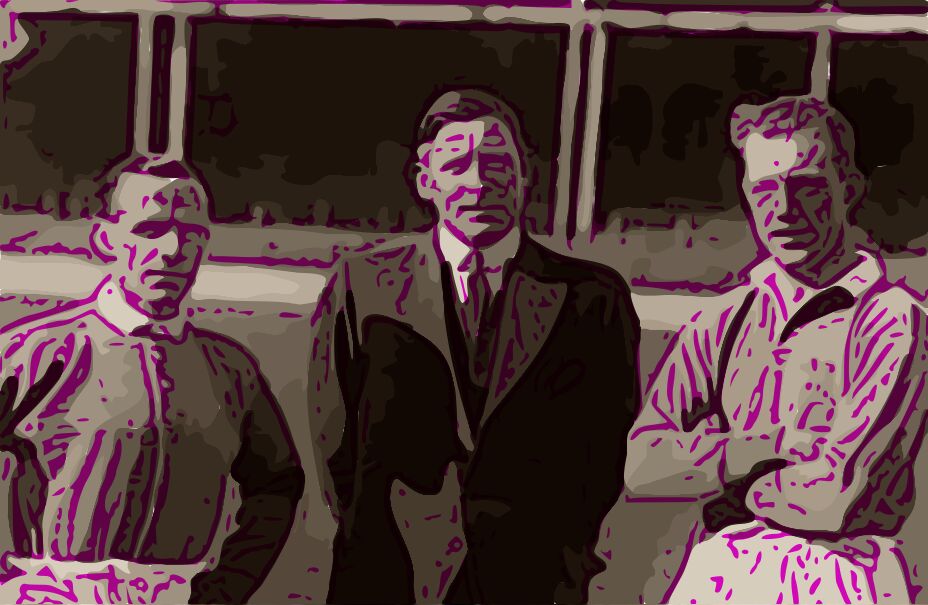
Introduction
In the history of Scottish football, few names resonate as profoundly as that of Bill Struth. His tenure at Rangers Football Club not only solidified the team’s dominance in Scottish football but also set a benchmark for managerial excellence that endures to this day. Struth’s profound influence on the sport transcends mere statistics and trophies; his innovative approaches, unyielding discipline, and strategic brilliance reshaped the very fabric of football management in Scotland and beyond.
Bill Struth’s journey with Rangers began in 1914 when he was appointed as an assistant manager. By 1920, he had taken the helm as manager, a position he held with unparalleled success for over three decades. Under his stewardship, Rangers became synonymous with victory and excellence, securing 18 league titles, 10 Scottish Cups, and 2 League Cups. Struth’s reign was characterized by an unrelenting pursuit of perfection, both on and off the pitch. His meticulous attention to detail, whether in training regimes, player conduct, or tactical innovation, set a new standard for what it meant to manage a football club.
Beyond the silverware and records, Struth’s legacy is perhaps best encapsulated in his influence on modern football management. His approach was pioneering, emphasizing not only the physical and technical aspects of the game but also the psychological and strategic elements. Struth understood the importance of fostering a strong team ethos, instilling discipline, and maintaining high standards of professionalism. These principles, which were revolutionary in his time, have become foundational in contemporary football management.
Struth’s impact extended beyond the confines of Ibrox Stadium. His success and methods influenced other clubs and managers, contributing to the evolution of football tactics and team management across the UK and Europe. Managers like Matt Busby and Jock Stein, who themselves became legends, drew inspiration from Struth’s philosophies and achievements.
In reflecting on Bill Struth’s monumental contributions to Rangers and Scottish football, one cannot help but acknowledge the indelible mark he left on the sport. His legacy is not merely one of triumphs and accolades but of a transformative vision that elevated the standards of football management. Struth’s story is a testament to the power of leadership, innovation, and an unwavering commitment to excellence, qualities that continue to inspire and guide the sport to this day.
Early Life and Career Beginnings
Bill Struth’s journey to becoming a football legend began in the most humble of circumstances. Born on 16 June 1875 in Leith, Edinburgh, Struth grew up in a working-class environment that instilled in him the values of hard work and perseverance. His early years were spent navigating the challenges of a bustling port town, where he developed a resilient character that would later define his managerial style.
Struth’s initial foray into the world of sports was not through football but athletics. A talented runner, he competed in numerous events and gained a reputation for his discipline and dedication. His experience in athletics played a crucial role in shaping his approach to football training, emphasizing the importance of physical fitness and conditioning. Struth’s athletic background provided him with a unique perspective on the demands of professional sports, which he would later integrate into his football management philosophy.
Despite his success in athletics, Struth’s passion for football eventually drew him to the sport. He began his footballing career as a player with the local side, Leith Athletic, where he showcased his abilities as a competent defender. His playing career, though not distinguished, provided him with valuable insights into the game. However, it was clear that Struth’s true calling lay beyond the pitch, in the realm of coaching and management.
Struth’s transition from player to coach was seamless, as he took up coaching roles at various clubs, honing his skills and developing his understanding of the game. His early coaching career was marked by a relentless pursuit of knowledge and a commitment to excellence. He studied the tactics and training methods of successful teams, always seeking to improve and innovate. This period of learning and growth laid the foundation for his future success at Rangers.
In 1914, Struth’s career took a pivotal turn when he joined Rangers as an assistant manager under William Wilton. This role allowed him to immerse himself in the club’s culture and operations, learning the intricacies of football management at a high level. Struth’s meticulous nature and keen eye for detail quickly earned him the respect of players and staff alike. His ability to analyze opponents, devise effective strategies, and instill discipline in the team were qualities that distinguished him from his contemporaries.
Struth’s influence was immediately felt at Rangers. His approach to training was rigorous and structured, focusing on physical conditioning, tactical awareness, and technical proficiency. He introduced innovative training drills and placed a strong emphasis on fitness, believing that a well-conditioned team would have a significant advantage on the field. Struth’s methods were ahead of their time, and they laid the groundwork for the success that Rangers would soon achieve.
As an assistant manager, Struth was instrumental in helping Rangers secure several titles, demonstrating his aptitude for leadership and strategic thinking. His partnership with Wilton was highly effective, with Struth often credited for his tactical acumen and ability to motivate players. This period of collaboration and learning was crucial in preparing Struth for the challenges of leading a top-tier football club.
When William Wilton tragically passed away in 1920, Struth was the natural choice to succeed him as manager. The transition was seamless, and Struth quickly set about implementing his vision for the club. His early years as manager were marked by a series of triumphs that established Rangers as a dominant force in Scottish football. Under his leadership, the team won multiple league titles and cups, setting new standards of excellence and professionalism.
In conclusion, Bill Struth’s early life and career beginnings were characterized by a relentless pursuit of excellence and an unwavering commitment to the sport. His journey from a talented athlete to a pioneering football manager was marked by continuous learning, innovation, and a deep understanding of the game. These formative years laid the foundation for Struth’s remarkable achievements at Rangers, where he would go on to leave an indelible mark on Scottish football.
Joining Rangers: The Early Years
Bill Struth’s association with Rangers began in 1914, a pivotal moment not only for the club but also for Scottish football. Joining as an assistant manager under William Wilton, Struth quickly made his presence felt. His meticulous approach to training and his unwavering commitment to excellence were immediately apparent. These early years were foundational for Struth, as he absorbed the club’s ethos and began to shape its future direction.
Assistant Manager Role
When Struth arrived at Rangers, he brought with him a wealth of knowledge from his diverse athletic background. His role as an assistant manager was multifaceted, encompassing responsibilities that ranged from player fitness to tactical planning. Struth’s focus on physical conditioning was revolutionary for the time. He introduced structured training sessions that emphasized stamina, strength, and agility, ensuring that the players were always in peak physical condition. This emphasis on fitness became a hallmark of his tenure and was a key factor in the team’s sustained success.
Struth’s tactical acumen also began to shine during his early years at Rangers. He was a keen observer of the game, meticulously analyzing opponents and developing strategies to exploit their weaknesses. His ability to adapt and innovate on the fly was crucial in an era where tactical rigidity was common. Struth’s forward-thinking approach laid the groundwork for many of the tactical developments that would define football in the years to come.
Building a Winning Culture
One of Struth’s most significant contributions during his early years at Rangers was the establishment of a winning culture. He believed that success on the field began with a professional attitude off it. Struth was a disciplinarian, instilling a sense of pride and responsibility in his players. He demanded the highest standards of conduct, both on and off the pitch, fostering an environment where professionalism and commitment were paramount.
Struth’s approach extended beyond the players to the entire club. He was involved in every aspect of the organization, from training routines to matchday preparations. His attention to detail was unparalleled, and he left no stone unturned in his quest for perfection. This all-encompassing approach created a culture of excellence that permeated every level of the club, setting the stage for the unprecedented success that would follow.
Partnership with William Wilton
Struth’s partnership with William Wilton was instrumental in his development as a manager. Wilton, who had been at the helm of Rangers since 1899, provided Struth with invaluable mentorship and guidance. Together, they formed a formidable team, combining Wilton’s experience and strategic insight with Struth’s innovative methods and tactical brilliance. This collaboration proved to be highly effective, as Rangers continued to dominate Scottish football during this period.
Under Wilton and Struth’s joint leadership, Rangers secured multiple league titles and domestic cups. Their success was built on a foundation of rigorous training, tactical innovation, and a relentless pursuit of excellence. Struth’s influence was increasingly evident, and it became clear that he was being groomed for the top job. His contributions during these formative years were crucial in shaping the club’s identity and laying the groundwork for future triumphs.
Taking the Helm
The tragic death of William Wilton in 1920 marked a turning point for Rangers and for Struth himself. With Wilton’s untimely passing, the mantle of leadership fell to Struth, who was appointed as the club’s manager. This transition was seamless, a testament to the thorough preparation and gradual assumption of responsibility that had characterized Struth’s early years at the club.
As manager, Struth wasted no time in implementing his vision for Rangers. His approach was characterized by a blend of discipline, tactical acumen, and a deep understanding of the game. He retained the core principles that had brought success under Wilton while introducing new methods and strategies to take the club to even greater heights. Struth’s leadership style was authoritative yet fair, demanding the best from his players and staff while fostering a sense of unity and shared purpose.
Immediate Impact
Struth’s impact as manager was immediate and profound. In his first full season in charge, Rangers won the Scottish League title, a feat they repeated multiple times over the next few decades. Struth’s teams were known for their physical prowess, tactical intelligence, and unwavering determination. His emphasis on fitness and conditioning paid dividends, as Rangers consistently outperformed their rivals, both physically and mentally.
Struth also had a keen eye for talent, identifying and nurturing players who would go on to become legends in their own right. His ability to build cohesive, balanced teams was unmatched, and he was adept at getting the best out of each individual. Under Struth’s guidance, Rangers became a powerhouse in Scottish football, setting records and winning titles with remarkable consistency.
Legacy of the Early Years
The early years of Bill Struth’s tenure at Rangers laid the foundation for his legendary status. His innovative approach to training, tactical brilliance, and unwavering commitment to excellence transformed the club and set new standards in football management. Struth’s influence extended beyond the pitch, shaping the culture and ethos of Rangers in ways that are still felt today. His legacy is one of relentless pursuit of perfection, a testament to what can be achieved with dedication, discipline, and vision.
In these formative years, Struth not only established himself as a master tactician and disciplinarian but also as a visionary leader who understood the importance of building a winning culture. His impact on Rangers and Scottish football as a whole is immeasurable, and his early years at the club are a testament to his enduring legacy.
Conclusion
Bill Struth’s legacy in Scottish football and at Rangers is a story of unparalleled success, visionary leadership, and enduring influence. His journey from humble beginnings in Leith to the pinnacle of football management is a testament to his remarkable character and relentless pursuit of excellence. Over his three-decade tenure at Rangers, Struth not only transformed the club into a dominant force in Scottish football but also set a standard for managerial success that continues to inspire.
Struth’s approach to management was revolutionary. His emphasis on physical conditioning, tactical innovation, and strict discipline reshaped how football teams were trained and managed. Struth believed that success on the pitch was rooted in meticulous preparation off it. This belief drove his rigorous training regimes, strategic acumen, and the high standards he demanded from his players. His methods, ahead of their time, laid the groundwork for modern football management and have influenced generations of managers.
Under Struth’s stewardship, Rangers secured an astonishing 18 league titles, 10 Scottish Cups, and 2 League Cups. These achievements are not just numbers; they represent a period of sustained excellence and dominance. Struth’s teams were characterized by their physical prowess, tactical intelligence, and indomitable spirit. His ability to build cohesive, resilient squads capable of enduring the rigors of a demanding football season was unmatched. Struth’s eye for talent and his capacity to develop players into legends were crucial to Rangers’ success during his tenure.
Beyond the trophies and accolades, Struth’s true legacy lies in the culture he cultivated at Rangers. He instilled a sense of pride, professionalism, and commitment that permeated every level of the club. Struth’s insistence on high standards of conduct, both on and off the pitch, created an environment where excellence was the norm. This culture of excellence is perhaps his most enduring contribution to Rangers and Scottish football. It set a benchmark for what could be achieved through dedication, discipline, and visionary leadership.
Struth’s influence extended beyond Rangers and Scottish football. His methods and philosophies inspired other managers and clubs, contributing to the evolution of football tactics and management practices across Europe. Legends like Matt Busby and Jock Stein drew inspiration from Struth’s principles, incorporating elements of his approach into their own successful careers. Struth’s impact on football management is a testament to his forward-thinking vision and his ability to adapt and innovate.
As we reflect on Bill Struth’s remarkable career, it is clear that his contributions to football go far beyond the titles and records. Struth was a pioneer, a visionary leader who understood the complexities of the game and the importance of fostering a winning culture. His legacy is one of transformative leadership, strategic brilliance, and an unwavering commitment to excellence. Struth’s story is a reminder of the profound impact that a dedicated and innovative manager can have on a football club and the sport as a whole.
In celebrating Bill Struth’s life and achievements, we honor a true giant of Scottish football. His influence continues to be felt at Rangers, in Scottish football, and in the broader world of football management. Struth’s legacy is a shining example of what can be accomplished with vision, dedication, and a relentless pursuit of excellence. As long as football is played, Bill Struth’s name will remain synonymous with greatness, a fitting tribute to a man who gave so much to the beautiful game.
