


Introduction
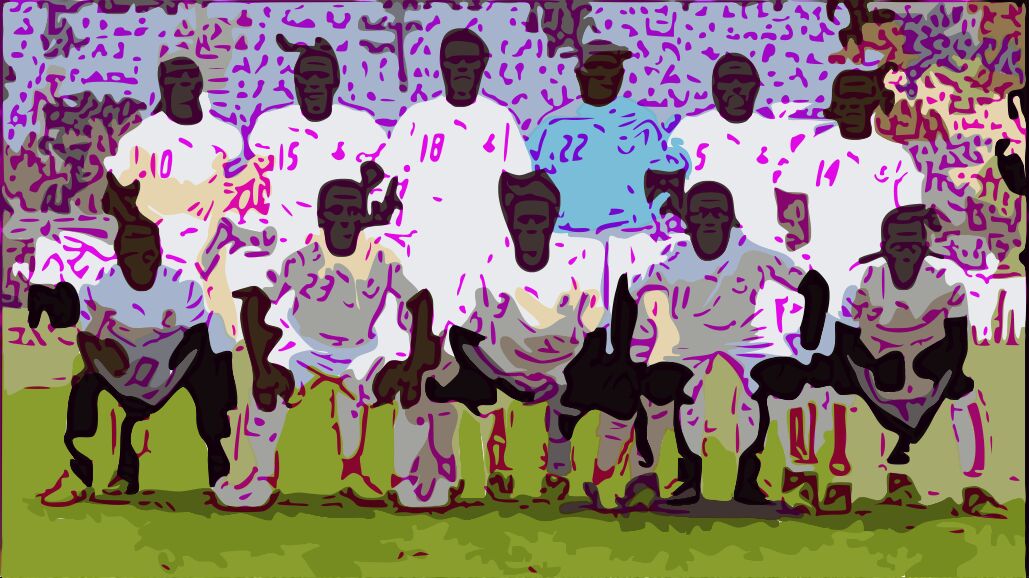
In the history of football, the 2006 FIFA World Cup stands out not just for the electrifying matches or the eventual triumph of Italy, but also for the remarkable narrative it wove around the national teams from Africa. Among these, Ghana’s Black Stars shone particularly brightly, etching their name into the global football consciousness with a performance that resonated far beyond the confines of the tournament.
Ghana’s journey to and through the 2006 World Cup was more than a series of matches; it was a vibrant chapter in the unfolding story of African football’s rise on the world stage. For the first time, the Black Stars qualified for the World Cup, a milestone that was met with jubilation across the continent. Their debut was not merely an appearance; it was a proclamation of intent, a demonstration of skill, and a testament to the spirit of a nation.
The significance of Ghana’s performance extends beyond their competitive success. It represented a critical moment for African football, highlighting its evolving capabilities and the increasing respect it commanded globally. This shift was not overnight. It had been built on the backs of pioneers from the continent who had fought to establish Africa’s place in the sport. Ghana’s 2006 campaign stood on the shoulders of these efforts, and in turn, it became a beacon for future generations.
As we delve into the narrative of Ghana’s 2006 World Cup journey, it is essential to place it within the broader landscape of African football. The continent’s relationship with the sport has been marked by a blend of passionate talent and structural challenges. African teams have often faced a steep climb in international competitions, but their persistence and flair have gradually shifted perceptions and outcomes. Ghana’s breakthrough in 2006 was a culmination of these dynamics, a moment when potential transformed into palpable success on the world’s biggest stage.
In this exploration, we will uncover the layers of this significant chapter in football history, examining the matches, the players, the strategies, and the wider implications of Ghana’s campaign. Through this lens, we will appreciate not only the achievements of the Black Stars but also the broader narrative of African football’s ascent in the global arena.
The Road to the World Cup
The path to the 2006 World Cup for Ghana’s Black Stars was less a straight line and more a journey marked by determination, skill, and a sense of national destiny. The qualification process itself was a microcosm of the challenges and triumphs that have long characterised African football.
Early Struggles and Strategic Shifts
The road to Germany 2006 began under challenging circumstances. The Black Stars had consistently demonstrated potential in various continental competitions, but translating that success to the global stage proved elusive. The qualification phase saw Ghana placed in a tough group alongside traditional powerhouses and emerging contenders.
The early matches of the qualification campaign highlighted these struggles. However, a turning point came with the appointment of coach Ratomir Dujković. The Serbian tactician brought a fresh perspective to the team, emphasizing a disciplined approach and a tactical system that leveraged the strengths of key players. His focus on a solid defensive foundation, coupled with rapid transitions into attack, began to yield results.
Key Matches and Moments
One of the defining moments in Ghana’s qualification campaign was the match against South Africa. This clash was more than a game; it was a test of Ghana’s resolve and a measure of their progress under Dujković. A victory here would not only boost their chances but also send a strong message across the continent. The Black Stars delivered, with a performance that combined defensive solidity and attacking flair.
Another pivotal encounter was against Uganda. Here, the team demonstrated their growing confidence and cohesiveness. The match showcased the talents of players like Michael Essien and Sulley Muntari, who were instrumental in driving the team forward. Their contributions, along with the collective effort of the squad, ensured a vital win that edged Ghana closer to World Cup qualification.
Celebrations and Reflections
The culmination of the qualification phase was a moment of pure elation. When the final whistle blew in the match against Cape Verde, confirming Ghana’s place at the World Cup, it was a historic achievement. The streets of Accra and beyond erupted in celebration, with fans and players alike sharing in the joy of this monumental success.
This achievement was not just about securing a spot at the World Cup; it was about validating the aspirations of a nation and demonstrating the potential of African football. It was a testament to the hard work of the players, the strategic acumen of the coaching staff, and the unwavering support of the fans.
As Ghana prepared to step onto the world stage, there was a sense of pride but also a recognition of the challenges ahead. The Black Stars were not just representing their country; they were carrying the hopes of an entire continent, ready to showcase the talent and spirit of African football to the world.
The Squad
As Ghana prepared for their inaugural appearance in the World Cup, the composition of the squad was a subject of national interest and pride. The team was a blend of experienced internationals and rising stars, each bringing a unique set of skills and a shared commitment to the national cause.
Key Players and Their Roles
At the heart of the squad was Michael Essien, the dynamic midfielder from Chelsea, whose energy and versatility were crucial for both the defensive and offensive phases of play. Essien’s ability to break up opposition attacks and initiate play from deep positions made him the linchpin of the team. His leadership on and off the field was a source of inspiration for his teammates.
Another pivotal figure was Sulley Muntari of Udinese. Known for his robust playing style and powerful shots, Muntari provided the team with a creative edge in midfield. His partnership with Essien allowed Ghana to dominate the midfield battles and set the tempo of their games.
Up front, Asamoah Gyan, then a young striker with a knack for finding the back of the net, was expected to lead the line. His speed and positional sense posed a constant threat to defenders, and his ability to convert half-chances was seen as key to Ghana’s attacking strategy.
In defence, John Mensah and Samuel Kuffour formed a formidable partnership. Mensah’s aerial ability and positional awareness complemented Kuffour’s experience and toughness. Together, they formed the backbone of a defence that aimed to stifle some of the world’s best attackers.
The Coach and His Strategy
The man tasked with moulding these talents into a coherent and effective unit was Ratomir Dujković. His approach was pragmatic but not without flair. Dujković favoured a balanced strategy that could adapt to the varied challenges posed by different opponents. His ability to read the game and make timely adjustments was a key factor in Ghana’s successful qualification campaign.
Dujković’s philosophy was to build from a strong defensive foundation, allowing the team to transition quickly into attack. This approach was designed to exploit the pace and power of Ghana’s forwards while ensuring that the team remained solid at the back. The blend of disciplined defending and opportunistic attacking was a hallmark of Dujković’s tenure.
Preparation and Expectations
As the tournament approached, the squad underwent intensive preparations. Training sessions focused on enhancing physical fitness, tactical understanding, and team cohesion. The players were aware of the expectations placed upon them and the historical significance of their participation.
The mood in the camp was one of cautious optimism. While aware of the enormity of the task ahead, the team was confident in its ability to make a mark. This blend of humility and confidence would be crucial as Ghana stepped onto the world stage, ready to challenge some of the best teams in football and carve out a place in World Cup history.
Group Stage Performance
Ghana’s debut in the World Cup group stage was not just a test of skill but also a trial of their spirit and resilience. Placed in a challenging group alongside Italy, the Czech Republic, and the USA, the Black Stars faced a formidable task. Each match in this stage was a crucial step in defining Ghana’s journey.
Against Italy: A Tough Beginning
Ghana’s first match was against Italy, a team known for its tactical discipline and defensive prowess. The encounter was a litmus test for the Black Stars, as they faced a side with a rich World Cup history and a roster filled with world-class talent.
The match unfolded with Italy taking a cautious approach, capitalising on their experience. Ghana, undeterred by the stature of their opponents, played with a blend of enthusiasm and strategic discipline. Michael Essien and Sulley Muntari worked tirelessly in midfield, but the Italian defence, led by the legendary Fabio Cannavaro, was difficult to breach.
Despite creating several promising opportunities, Ghana fell to a 2-0 defeat. However, the scoreline did not reflect the full story. The Black Stars displayed a level of play that earned them respect and admiration. Their performance against Italy set a tone of determination and promise for the remaining matches.
Against the Czech Republic: A Historic Victory
Next, Ghana faced the Czech Republic, a team ranked among the top in the world and a favourite to progress from the group. This match was pivotal for Ghana’s hopes of advancing.
The Black Stars approached the game with a clear strategy to exploit the Czech team’s high defensive line. Early in the match, Asamoah Gyan’s speed and precision paid off as he scored, giving Ghana an early lead. This goal energised the team and the Ghanaian supporters alike.
The match continued with Ghana displaying a balanced approach, defending robustly and attacking with speed. Muntari’s midfield dominance and Essien’s tireless running were instrumental. The game ended in a 2-0 win for Ghana, a result that was both a shock to the football world and a testament to the Black Stars’ quality and ambition.
Against the USA: Securing a Place in the Knockouts
The final group match against the USA was a decisive encounter. A win would secure Ghana’s place in the knockout stages, an achievement that would surpass expectations.
The match was intense, with both teams understanding the stakes. Ghana took the lead through Haminu Draman’s clever finish, but the USA equalised shortly after. The turning point came just before halftime when Gyan converted a penalty, restoring Ghana’s lead.
The second half saw Ghana focus on maintaining their advantage, with John Mensah and Samuel Kuffour playing pivotal roles in defence. The final whistle marked a 2-1 victory for Ghana and confirmed their progression to the next round.
This group stage performance was not merely about the results; it was about the assertion of Ghana’s identity on the footballing map. The Black Stars’ resilience, tactical acumen, and spirited play turned heads and set the stage for what was to come in the knockout rounds.
The Knockout Stage
Advancing to the knockout stage of the World Cup was a monumental achievement for Ghana, marking a significant milestone in the nation’s football history. However, the challenge intensified as the Black Stars faced Brazil, one of the tournament favourites and a powerhouse of international football.
Match Against Brazil: A Valiant Effort
Ghana’s match against Brazil in the Round of 16 was a true David versus Goliath encounter. Brazil’s squad, studded with stars like Ronaldinho, Kaká, and Ronaldo, presented a daunting challenge. Yet, the Black Stars entered the match with an undiminished spirit and a strategy to counter Brazil’s flair with discipline and tactical intelligence.
From the outset, the game was a spectacle of contrasting styles. Brazil’s fluid, attacking football met the disciplined and structured approach of Ghana. The Black Stars sought to disrupt Brazil’s rhythm while looking for opportunities to strike on the counter.
Despite their efforts and some promising moments, Ghana fell to a 3-0 defeat. Ronaldo and Adriano were among the scorers for Brazil, showcasing their clinical finishing. Yet, the scoreline did not fully encapsulate the tenacity and resilience shown by the Ghanaian team. Michael Essien and Sulley Muntari continued to impress with their work rate, while Asamoah Gyan’s movement kept the Brazilian defence alert.
Lessons Learned and Pride Taken
Though the journey ended at the hands of Brazil, the match was a learning experience for the entire squad. Facing such esteemed opponents provided invaluable insights into the levels of performance and preparation required at the highest echelons of football.
Moreover, the pride and admiration earned by the Black Stars were immense. Their performance throughout the tournament, particularly in the group stage, had defied expectations and won the hearts of fans around the world. The team’s display against Brazil, even in defeat, was a testament to their courage, skill, and determination.
Legacy and Future
As Ghana’s 2006 World Cup journey concluded, it was clear that their impact would resonate far beyond the results on the pitch. The Black Stars had not only represented their nation with distinction but had also contributed to a narrative of rising African football on the global stage.
The legacy of this campaign was multifaceted. It inspired a generation of young players in Ghana and across Africa, demonstrating that with talent, teamwork, and tenacity, the world stage was within reach. The success of the Black Stars also led to increased investment and interest in football within Ghana, helping to elevate the standard of the domestic leagues and youth development programmes.
Looking to the future, the lessons learned and the pride garnered from the 2006 World Cup would continue to influence Ghanaian football. The Black Stars’ journey had set a benchmark, and the aspiration to match or surpass their 2006 performance would be a driving force for future squads.
In summary, Ghana’s 2006 World Cup campaign was a landmark moment not just for the nation but for African football as a whole. It was a story of overcoming odds, showcasing talent, and forging an indelible mark in the annals of the sport. The Black Stars’ legacy from this tournament remains a beacon for all who aspire to make their mark in the beautiful game.
Impact on African Football
Ghana’s remarkable journey through the 2006 World Cup was more than an individual national triumph; it was a milestone in the broader narrative of African football’s evolution and growing influence. The Black Stars’ performance illuminated the potential and progress of the continent’s teams on the world stage.
A New Benchmark for African Teams
Ghana’s success in reaching the knockout stages set a new benchmark for African nations. Prior to 2006, few African teams had managed to make significant inroads in the World Cup. Ghana’s campaign, marked by strategic acumen, athletic prowess, and unyielding spirit, provided a template that other African nations could aspire to.
This performance shattered many of the stereotypes and limitations often imposed on African teams. It demonstrated that with the right combination of talent, preparation, and tactical insight, teams from the continent could compete with and even outperform some of the traditional powers of global football.
Encouraging Investment and Development
The visibility and success of the Black Stars in the tournament spurred greater interest and investment in football across Africa. Governments, private entities, and international organizations saw the value in nurturing talent and developing infrastructure to support the growth of the sport.
This increased investment led to improvements in training facilities, coaching standards, and youth development programs across the continent. The ripple effect of Ghana’s 2006 campaign was evident in the enhanced performance of African teams in subsequent international tournaments.
Inspiring a Generation
Perhaps the most profound impact of Ghana’s 2006 World Cup journey was its inspirational effect on a generation of young footballers across Africa. The Black Stars’ exploits provided tangible evidence that success at the highest levels was achievable. Young players saw in Michael Essien, Asamoah Gyan, and their teammates, figures to emulate, fuelling dreams and aspirations.
This inspiration translated into a surge in participation and interest in football among the youth. Clubs and academies reported increased enrolment, and there was a notable rise in the identification and nurturing of young talent across the continent.
Conclusion
In conclusion, Ghana’s 2006 World Cup journey was a pivotal moment for African football. It was a campaign that transcended the boundaries of sport, influencing cultural, social, and economic dimensions. The Black Stars’ performance served as a powerful testament to the resilience, talent, and potential of African football, changing perceptions and setting the stage for future successes.
As we reflect on this significant chapter in football history, it is clear that the legacy of Ghana’s 2006 World Cup campaign continues to resonate. It remains a source of pride, a benchmark of excellence, and an enduring inspiration for the entire continent.
