


Introduction
In the history of football, the 1982 FIFA World Cup holds a distinguished place, not merely for the footballing spectacle it offered but for its broader implications on the global stage of the sport. Hosted by Spain, this edition was groundbreaking as it marked the first expansion of the tournament format from 16 to 24 teams, a clear nod to the growing international appeal and competitive nature of football. This expansion was not just a quantitative increase; it was a qualitative leap, allowing more nations from diverse footballing backgrounds to showcase their talents on the world’s biggest stage.
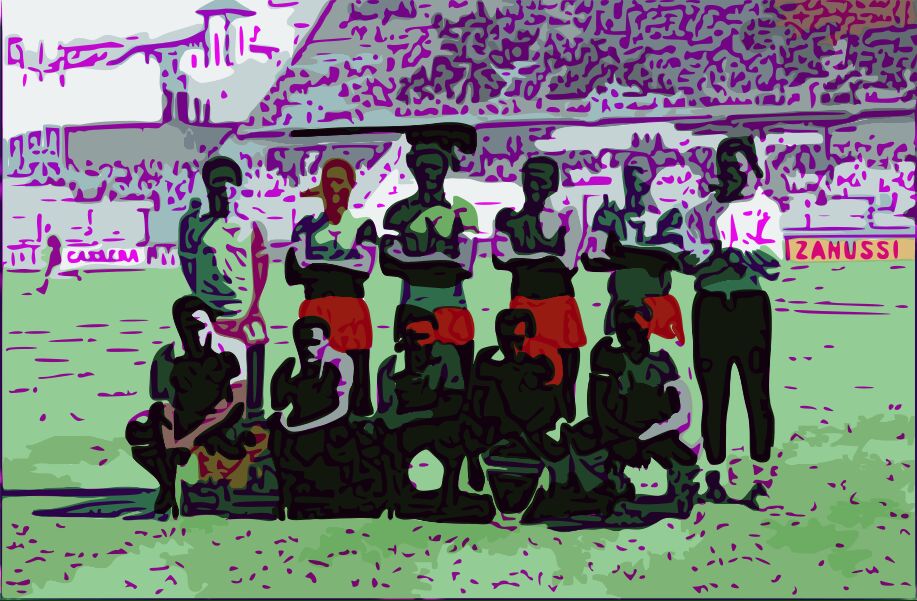
Among the debutants were Cameroon, a team that carried not just the hopes of a nation but the collective aspirations of the African continent. African teams had participated in the World Cup before, but Cameroon’s entry into the 1982 tournament was viewed as a pivotal moment—a chance to redefine African football’s narrative from mere participants to formidable contenders. This was a time when African football was often overlooked, its potential undervalued, and its achievements not given the recognition they deserved on the international scene.
Cameroon’s journey to the 1982 World Cup was as much about football as it was about breaking the stereotypes associated with African teams. They arrived in Spain not just to compete, but to challenge the preconceptions, making a statement that they were there not for the experience alone but to compete on equal footing. Their participation was a harbinger of change, setting the stage for a narrative shift where African teams would no longer be seen as outsiders, but as integral parts of international football’s competitive fabric.
Thus, the stage was set in Spain for a World Cup that would be remembered not only for its expanded format and the introduction of new teams but for the stories of perseverance, skill, and strategy that teams like Cameroon brought to the forefront. As the tournament unfolded, it became clear that the world of football was on the cusp of transformation, with Cameroon at the heart of this change, heralding a new dawn for African football on the global stage.
Background
Football in Cameroon, like in many African nations, is not just a sport; it’s a cultural phenomenon that resonates deeply with national identity and pride. The origins of football in Cameroon can be traced back to the early 20th century, introduced by European expatriates and gradually embraced by local communities. By the mid-20th century, football had entrenched itself in the Cameroonian way of life, with numerous clubs emerging, fostering a vibrant domestic league. The sport served as a unifying force in a nation marked by diverse linguistic and cultural landscapes.
Despite this rich heritage, Cameroon’s football journey on the international stage was fraught with challenges typical of many African teams. Prior to the 1980s, African football was largely marginalised in global narratives. The continent’s teams were often viewed through a lens of exotic curiosity rather than serious competitive respect. This perception was compounded by limited access to resources, less exposure to high-level competition, and logistical challenges that often hampered teams’ preparations and participation in international tournaments.
For African teams, the journey to global recognition was hindered by a cycle of inadequate facilities, lack of investment, and the exodus of talent to European clubs, where players sought better opportunities and exposure. These factors not only stymied the development of the sport at a grassroots level but also meant that African teams often arrived at international competitions at a disadvantage.
Moreover, the prevailing narratives in the global sports media further perpetuated stereotypes, frequently portraying African teams as reliant on physicality over strategy, thereby undermining their tactical acumen and technical skills. This bias extended into the halls of global football governance, where African football administrators fought for equitable representation and opportunities.
By the time Cameroon qualified for the 1982 World Cup, the team was determined to challenge these narratives. They aimed not only to participate but to perform in a manner that commanded respect and recognition. This was set against a backdrop of increasing calls for equality and opportunity on the world stage, aligning with broader movements within football to recognise and celebrate diversity in the sport.
Cameroon’s qualification for the 1982 World Cup, therefore, was more than just a sporting achievement; it was a milestone in the ongoing struggle for respect and recognition for African football. It marked a critical moment in the journey towards altering global perceptions and laying the groundwork for future generations of African footballers.
Qualification and Preparation
Cameroon’s road to the 1982 FIFA World Cup was a testament to their growing prowess and determination in international football. Their journey began in the African qualifying rounds, a grueling test of endurance, skill, and strategic acumen that would eventually prove to be a historic campaign for the nation.
The Qualifying Campaign
The qualification process was arduous, involving a series of matches that tested the team’s resilience and ability to perform under pressure. Cameroon found themselves in a challenging group but navigated their way with commendable expertise. Key matches against Morocco and Zambia were pivotal. Against Morocco, Cameroon showcased a disciplined defensive strategy coupled with swift counter-attacks, securing crucial points that propelled them towards qualification. The match against Zambia, known for its intensity, highlighted Cameroon’s tactical maturity and mental toughness, aspects that were meticulously honed during their preparation phase.
Key players emerged as national heroes during this period. Thomas N’Kono, the goalkeeper, was instrumental with his exceptional saves and leadership at the back. The likes of Jean Manga-Onguéné and Roger Milla were pivotal in attack, contributing significantly with goals and creative play. Their performances not only secured Cameroon’s spot in the World Cup but also ignited a sense of possibility back home.
Strategic Preparations
The preparation for the World Cup under the guidance of coach Jean Vincent was strategic and thorough. Vincent, aware of the challenges his team would face, focused heavily on physical fitness and tactical flexibility. His approach was to build a team that could adapt to various styles of play, anticipating the diverse tactics they would encounter in Spain.
Training camps were set up with the purpose of simulating conditions similar to those expected in Spain. Vincent emphasized stamina and resilience, preparing his players for the physical demands of back-to-back matches in a short period. Tactical sessions were rigorous, with a focus on strengthening the defense and optimizing the team’s counter-attacking prowess. Vincent knew that disciplined defending and quick transitions would be crucial against the technically superior European and South American teams.
The coaching staff also organized friendly matches against European teams to acclimatize the players to different styles of play and higher levels of competition. These matches were invaluable in providing the team with experience and confidence, helping them understand and adapt to the pace and physicality that awaited them at the World Cup.
The combination of strategic foresight in player selection, intensive physical preparation, and tactical adaptability was central to Cameroon’s approach. This preparation did not just aim to make a respectable appearance at the World Cup but to make a profound impact, challenging the global football hierarchy and changing perceptions of African football.
Thus, as they stepped onto the world stage in 1982, Cameroon was not just better prepared than ever, but they were also a symbol of rising African ambition in the world of football. Their journey from the qualifiers to the tournament in Spain was a blend of strategic planning and passionate execution, setting the stage for what was to be a memorable and transformative performance.
Group Stage Performance
Cameroon’s debut in the 1982 FIFA World Cup was marked by gritty performances and tactical nuance, illustrating their preparedness and ambition. Each match in the group stage showcased different aspects of their capabilities and strategic approach, underpinning their emergence as a team worthy of international respect.
Match against Peru
The opening match against Peru was a critical moment for Cameroon, setting the tone for their campaign. The game plan was meticulously crafted to neutralize Peru’s known attacking prowess. Cameroon employed a robust defensive setup with occasional fast-paced counterattacks, aiming to exploit Peru’s defensive vulnerabilities.
Key players such as Thomas N’Kono and Theophile Abega were instrumental in this match. N’Kono’s goalkeeping was exceptional, making crucial saves that kept Cameroon in the game. Abega, on the other hand, controlled the midfield with precision, distributing the ball effectively and making pivotal plays. The match ended in a stalemate, 0-0, but the tactical discipline displayed by Cameroon was a clear declaration of their intent and capabilities on the world stage.
Match against Poland
In their second group match against Poland, Cameroon continued to impress with their tactical acumen, this time focusing on a more defensive strategy. Recognizing the offensive threat posed by Poland, Cameroon’s coach, Jean Vincent, implemented a tight defensive line with enhanced midfield support to disrupt Poland’s rhythm and attacking channels.
This match highlighted the defensive prowess of players like Emmanuel Kundé and Jean Onana, who were central to thwarting Poland’s attacks. Their ability to read the game and make crucial interceptions was vital in keeping the scoreline even. The match, much like their first, ended in a 0-0 draw, but the defensive strategies employed were a testament to Cameroon’s tactical maturity and resilience under pressure.
Match against Italy
The final group match against Italy was perhaps the most significant, as it pitted Cameroon against the eventual tournament winners. This match was a true test of their tactical discipline and mental fortitude. Cameroon adopted a balanced strategy, focusing on maintaining strong defensive cohesion while looking for opportunities to attack through swift counter-strikes.
The resilience displayed by the entire team was commendable, with standout performances from Roger Milla, whose energetic presence upfront posed a constant threat to the Italian defense. The tactical discipline to hold the Italian squad, filled with world-class talents, to a 1-1 draw spoke volumes of Cameroon’s growth and prowess. This result not only earned them a historic point but also immense respect from around the football world.
Through these group stage matches, Cameroon demonstrated that they were not merely participants but serious competitors. Their performances against Peru, Poland, and Italy showcased a team that was well-prepared, tactically sophisticated, and capable of standing toe-to-toe with established footballing nations. Each game, rich in strategic depth and determination, highlighted Cameroon’s arrival as a formidable force in international football.
Impact of the Tournament
Cameroon’s performance in the 1982 FIFA World Cup left an indelible mark on the tournament and significantly altered the international football landscape. The impact of their campaign extended beyond the confines of the pitch, influencing perceptions and setting a new benchmark for African football on the world stage.
International Perception
Internationally, Cameroon’s robust and disciplined performances were met with admiration and surprise. Before the tournament, expectations for African teams were generally modest, often overshadowed by prevailing stereotypes that doubted their tactical sophistication and resilience. However, Cameroon’s showing in Spain challenged these preconceptions head-on.
Football analysts, commentators, and fans noted Cameroon’s strategic gameplay, which was not only effective but also showcased a level of technical and tactical execution that many did not anticipate. The team’s ability to compete fiercely against established football nations shifted the narrative, highlighting African teams’ potential in competing at the highest levels. This shift was reflected in the media coverage and discussions post-tournament, where Cameroon was often cited as a prime example of the untapped potential within African football.
Symbolic Achievement Against Italy
The draw against Italy, the eventual champions of the tournament, stood out as a particularly symbolic achievement. This match was not just a game; it was a statement. Holding Italy to a 1-1 draw transcended the typical expectations for a team like Cameroon, who were participating in their first World Cup. It demonstrated that with proper preparation, strategic planning, and execution, any team could defy odds and challenge the giants of football.
This performance was seen as a victory in itself and was celebrated not just in Cameroon but across Africa. It served as a source of inspiration and pride for many other African nations, proving that they too could aspire to and achieve success on such a prestigious platform. The match against Italy became a symbolic reference point, discussed in future narratives about the World Cup and often mentioned in motivational speeches within and outside the sports community.
Broader Implications
The broader implications of Cameroon’s performance were profound. It helped alter the allocation of World Cup slots in favor of more African nations in subsequent tournaments, recognizing the continent’s growing strength and competitiveness. This was a significant development, as it acknowledged the need for greater inclusivity and fairness in international football.
Furthermore, Cameroon’s 1982 World Cup journey helped to inspire a generation of players and fans across Africa. It played a critical role in motivating young athletes and affirming that success on the world stage was within reach, potentially leading to increased investment in sports infrastructure and youth development programs in the region.
In summary, Cameroon’s impact on the 1982 World Cup was multifaceted—altering perceptions, inspiring future generations, and contributing to structural changes in international football governance. Their performance was not just a testament to their own national spirit and capability but also a beacon for the aspirations of entire continents striving for recognition and equality in the global arena of sports.
Legacy and Influence
The echoes of Cameroon’s performance in the 1982 FIFA World Cup resonated far beyond the tournament itself, leaving a lasting legacy on the world stage and profoundly influencing the trajectory of African football. This remarkable journey not only shifted global perceptions but also paved the way for future successes of African teams in the world’s most prestigious football tournament.
Transforming Perceptions
Prior to 1982, African football teams were often underestimated on the international stage, viewed through a lens of patronizing curiosity rather than competitive respect. Cameroon’s solid performances in Spain began to change these perceptions, showcasing that African teams possessed not only the physicality often attributed to them but also strategic depth, technical skill, and mental toughness.
This change was reflected in the increased respect and serious coverage that African football began to receive from international media and football analysts. The narrative began to shift from viewing African teams as perennial underdogs to recognizing them as genuine contenders capable of upsetting traditional powerhouses. This evolving perception helped to elevate the status of African football globally, encouraging a reevaluation of how football talent and potential were assessed across different continents.
Paving the Way for Future Successes
The path forged by Cameroon in 1982 had significant implications for future African participants in the World Cup. It demonstrated to the world—and more importantly, to other African nations—that success on football’s biggest stage was attainable. This performance served as a catalyst for more comprehensive development programs within African football federations, focusing on nurturing talent that could compete globally.
The impact of Cameroon’s achievements became a touchstone for subsequent African teams. Notably, it influenced the performances of teams like Senegal in 2002 and Ghana in 2010. Senegal’s stunning victory over France in the 2002 World Cup and their journey to the quarter-finals echoed the spirit of Cameroon’s 1982 squad. Similarly, Ghana’s remarkable run to the quarter-finals in 2010, where they were a penalty kick away from becoming the first African team to reach the semi-finals, was part of the legacy left by Cameroon’s pioneers.
These teams carried forward the belief that African nations could not only participate but excel and leave a mark on the global football narrative. Each performance built on the last, creating a richer, more competitive landscape at the World Cup for African teams.
Institutional Changes and Growth
Cameroon’s 1982 campaign also played a part in influencing FIFA’s decision-making regarding tournament structures and allocations. The expansion of the World Cup and the eventual increase in the number of slots available to African teams in the competition were partially attributable to the demonstrated competitiveness of teams like Cameroon. This change provided more opportunities for exposure and competition, which were crucial for the development of the sport in the continent.
Profiles of Key Players and Coach
The remarkable journey of Cameroon in the 1982 World Cup was spearheaded by a group of extraordinary individuals whose skill, determination, and leadership on the pitch left an indelible mark on football history. Among these were standout players Thomas N’Kono, Roger Milla, and Jean Manga-Onguéné, led by the astute tactical mind of coach Jean Vincent.
Thomas N’Kono
Thomas N’Kono’s goalkeeping prowess was a cornerstone of Cameroon’s defense during the 1982 World Cup. Born on July 20, 1956, in Dizangue, Cameroon, N’Kono grew up to become one of Africa’s most celebrated goalkeepers. His agility and incredible shot-stopping ability were critical in keeping Cameroon competitive in all their group stage matches. N’Kono’s performances not only earned him individual accolades but also inspired a generation of goalkeepers, including Italy’s legendary Gianluigi Buffon, who named N’Kono as his childhood hero. His legacy is one of resilience and excellence, embodying the spirit and potential of African goalkeepers on the world stage.
Roger Milla
Roger Milla, often remembered for his iconic celebrations in the 1990 World Cup, was already making waves in 1982. Born on May 20, 1952, in Yaoundé, Milla’s role as a forward in the 1982 team was pivotal. His ability to hold up play, combined with his knack for crucial goals, made him a constant threat to opponents. Milla’s charisma and leadership were vital in boosting the team’s morale and confidence, traits that would define his storied career. His legacy transcends his on-field exploits, as he became a symbol of African joy and creativity in football.
Jean Manga-Onguéné
Jean Manga-Onguéné, another key figure in the 1982 squad, was instrumental as a midfielder. His tactical intelligence and work rate enabled him to control the tempo of the game, disrupting opponents’ strategies while facilitating Cameroon’s transitions from defense to attack. Manga-Onguéné’s leadership on the field was a reflection of his deep understanding of the game and his commitment to his team’s success.
Coach Jean Vincent
The architect of Cameroon’s 1982 World Cup campaign was coach Jean Vincent. Born on November 29, 1930, in Labeuvrière, France, Vincent brought a wealth of experience and a distinct tactical philosophy to the team. His coaching career was marked by a focus on disciplined defensive setups combined with efficient counter-attacking football. Vincent’s philosophy was built on the belief that a well-organized defense provided the best platform for upset victories, especially against technically superior teams. His ability to instill this discipline and tactical awareness in his team was crucial in Cameroon’s impressive performances against more fancied opponents.
Vincent’s approach was not just about tactics; it was also about building character and resilience within his team. He believed in the mental fortitude of his players, often focusing on psychological preparation as much as physical and tactical readiness. His leadership during the World Cup helped the players believe in themselves and their ability to compete at the highest level.
Challenges Faced
Cameroon’s journey to the 1982 FIFA World Cup, while marked by historic achievements on the pitch, was fraught with significant challenges off it. The political and economic landscape of Cameroon during this period played a substantial role in shaping the team’s preparation and participation in the tournament. Understanding these challenges is crucial to appreciating the context in which the team operated and the adversity they overcame.
Political and Economic Context
During the early 1980s, Cameroon, like many African nations, was navigating a complex political environment marked by instability and transitions. The political climate was often characterized by tight government control and limited resources, which invariably impacted the development of sports infrastructure and programs. Economically, Cameroon faced constraints that were typical of the region, including limited funding for sports, inadequate facilities, and less governmental support compared to football powerhouses in Europe and South America.
These political and economic restrictions posed significant obstacles to the national football team’s preparations. Limited budgets meant fewer resources were available for essential aspects such as training facilities, international friendly matches, and access to top-level coaching. This lack of resources could potentially have stifled the team’s ability to prepare adequately for a tournament of the World Cup’s magnitude.
Impact on Team Strategy and Performance
The resource constraints influenced the strategic decisions made by the coaching staff and the football federation. The team had to optimize what was available, which meant that preparations were often less than ideal compared to their European and South American counterparts. Coach Jean Vincent, aware of these limitations, devised a strategy that would leverage the team’s strengths and mitigate its weaknesses.
The focus was placed on rigorous physical conditioning and tactical discipline, knowing that in many cases, they could not match the technical and strategic preparations of wealthier nations. Vincent emphasized mental toughness and resilience, preparing his players to be mentally strong and adaptable in the face of adversity.
Moreover, the economic and political challenges instilled a sense of unity and determination within the team. The players were not only representing their country but also showcasing the potential of African football. This underdog status fostered a fighting spirit and a cohesive team dynamic, where each player was committed to overachieving to prove their worth on the global stage.
Broader Influence on Team Dynamics
The challenges also had a silver lining in fostering a deep sense of national pride and collective effort. Players, staff, and supporters rallied together, driven by a desire to overcome these hurdles and make their mark at the World Cup. This collective effort was evident in the solidarity and teamwork displayed during the tournament, traits that were crucial in securing the draws against more favored teams like Italy and Poland.
Conclusion
The 1982 FIFA World Cup was not merely a football tournament for Cameroon; it was a transformative event that redefined the landscape of African football and left a lasting legacy that resonates to this day. Cameroon’s performance in the tournament went beyond the conventional metrics of wins and losses—it was about making a profound statement on the world stage and inspiring a continent.
Transformative Impact on African Football
Cameroon’s journey through the 1982 World Cup marked a pivotal moment for African football. It challenged long-standing stereotypes and altered perceptions about the capabilities of African teams. Their tactical discipline, competitive spirit, and ability to hold their own against some of the world’s best teams demonstrated that African nations could compete at the highest levels with success.
This performance served as a catalyst for change in how African football was viewed globally. It prompted a reevaluation of the allocation of World Cup slots for African teams, leading to increased representation in subsequent tournaments. This was a crucial development, as it provided more opportunities for African teams to participate and excel on the global stage, thereby fostering greater investment in football infrastructure and youth development across the continent.
Lasting Legacy in Cameroon and Beyond
In Cameroon, the 1982 World Cup squad became national heroes, their legacy etched into the collective memory of the nation. They were not just footballers; they were pioneers who brought pride to their country and inspired future generations to dream big. The impact of their performance is seen in the heightened popularity of football in Cameroon, with increased participation at all levels and enhanced support for the national teams.
The legacy of the 1982 squad also extends beyond Cameroon, influencing the aspirations and achievements of other African nations in international football. Teams like Senegal and Ghana, who performed exceptionally in later World Cups, drew inspiration from Cameroon’s example, building on the foundations laid by the 1982 pioneers.
Reflecting on the lasting legacy of the 1982 squad, it is clear that their impact was not confined to the 90 minutes on the pitch. They changed the narrative, fought against prejudice, and opened doors for those who followed. Their legacy is a testament to the power of sport as a force for change and unity, transcending boundaries and fostering a shared sense of achievement and possibility.
In conclusion, the story of Cameroon’s 1982 World Cup team is a compelling chapter in the history of football. It is a story of overcoming adversity, challenging the status quo, and leaving a legacy that continues to inspire. As we look back on their achievements, we are reminded of the profound impact that a determined group of individuals can have on their sport, their nation, and the world.
