


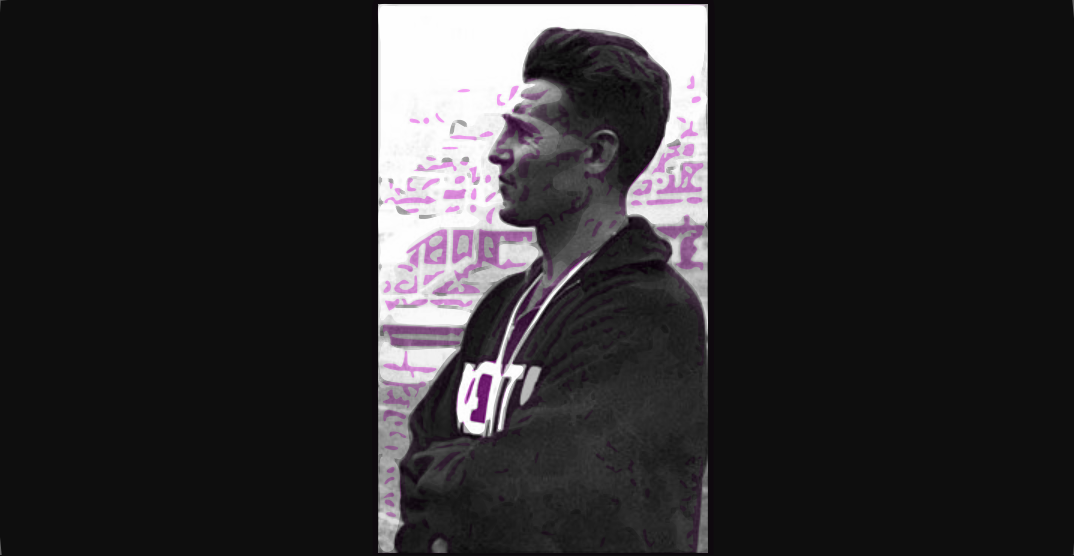
I. Introduction: A Hungarian Icon
On a crisp autumn afternoon in Budapest, the sun hung low over the Üllői úti Stadion, casting long shadows on the green pitch of Ferencváros’ iconic home ground. The year was 1937, and György Sárosi, the talismanic leader of both club and country, was standing over the ball, eyes fixed on the opposition goalkeeper. The Mitropa Cup final—a contest that pitted Central Europe’s finest against one another—had reached its climax, and the tension in the stands was palpable. With his usual composed demeanour, Sárosi delivered a strike so precise, so powerful, that it seemed to encapsulate all the qualities that had made him a star. Ferencváros were champions, and Sárosi, as ever, was at the heart of it.
This was the essence of György Sárosi. Whether it was for Ferencváros, where he became a legend, or for Hungary’s national team, Sárosi’s name was synonymous with brilliance. He was not merely a goal-scorer, though his tally would suggest otherwise. He was also a thinker on the pitch, a player whose versatility made him indispensable to every team he graced. He could lead the line, drop deep into midfield, or marshal the defence with equal ease—a true rarity in the footballing world.
Sárosi’s career spanned an era when Hungarian football was on the rise, and his influence stretched far beyond his goals. He was the linchpin of a Ferencváros side that dominated Hungarian football, lifting league titles and securing prestigious international honours. At the same time, he captained Hungary to significant success on the global stage, most notably in the 1938 World Cup, where they finished runners-up.
In the annals of Hungarian football, Sárosi stands among the giants. His ability to adapt to multiple roles on the pitch, coupled with an innate understanding of the game, made him one of the most revered footballers of his generation. Yet, perhaps it is his leadership, both for club and country, that best defines his legacy. In an era when football was rapidly evolving, Sárosi was a constant—an ever-reliable presence who carried his teams through moments of triumph and adversity alike.
For Hungary, a country that would go on to produce the mighty ‘Magical Magyars’ of the 1950s, Sárosi was the foundation upon which much of the nation’s footballing success was built. His contributions during the 1930s and 40s helped shape the identity of Hungarian football, and his legacy endures to this day. Though time may have dimmed the memories of his many feats, within the walls of Ferencváros and among Hungary’s football faithful, Sárosi’s name remains one of unchallenged reverence.
II. Early Life and Football Beginnings
Born in Budapest in 1912, György Sárosi was raised in a city where football had already taken root as the sport of the people. The son of a schoolteacher, his early life was defined by both academic discipline and a growing passion for the game that dominated the streets of Hungary’s capital. From a young age, Sárosi displayed an uncanny ability to control the ball with a rare composure, earning him early attention in local competitions. His talent did not go unnoticed, and by the time he was 16, Sárosi had been snapped up by Ferencváros, Hungary’s most storied football club. This was the beginning of a career that would soon see him rise to the pinnacle of both Hungarian and European football.
III. Ferencváros – The Perfect Match
Sárosi’s arrival at Ferencváros was the start of an era of dominance for the club. Known for his intelligence and versatility, Sárosi quickly established himself as one of the team’s most valuable assets. His early years saw him deployed as a forward, but as his tactical understanding deepened, Sárosi took on more varied roles, excelling in midfield and even at the back. His flexibility allowed Ferencváros to build a team around him, with Sárosi orchestrating play, leading attacks, and, when necessary, shoring up the defence. His ability to read the game, combined with a fierce competitive streak, made him the heartbeat of a side that would go on to claim multiple Hungarian titles. The pinnacle of his time with Ferencváros came in 1937, when they triumphed in the Mitropa Cup, then one of Europe’s premier club competitions. Sárosi’s goals and leadership were instrumental, further solidifying his status as a club legend.
IV. Hungary National Team: The Heart of the Golden Generation
Sárosi made his debut for the Hungary national team in 1931, and from the outset, it was clear he was a special talent. At just 19, he was already commanding respect on the international stage, helping to shape a Hungary side that would soon be recognised as one of Europe’s best. His finest hour in the national shirt came during the 1938 World Cup, where he captained Hungary to the final. The tournament showcased the best of Sárosi’s talents—his leadership, goal-scoring, and tactical intelligence were on full display. In the final, Hungary faced a formidable Italy side and, despite falling short in a 4-2 defeat, Sárosi’s performances throughout the tournament left an indelible mark on world football. As Hungary’s captain, he was the linchpin of a team that played with style and grace, and his influence over the next generation of Hungarian players would prove profound.
V. Tactical Intelligence and Footballing Prowess
What set Sárosi apart from many of his contemporaries was his extraordinary footballing intelligence. His ability to understand and adapt to different tactical setups made him invaluable to both club and country. Whether operating as a centre-forward, a deep-lying midfielder, or even in defence, Sárosi’s vision and awareness of the game’s flow were unparalleled. He was capable of dictating the pace of a match, creating opportunities for teammates, or single-handedly turning the tide with a well-timed goal. Teammates and opponents alike often remarked on his footballing brain, his sense of where the game was headed long before others had even considered the possibilities. His versatility was not merely physical—it was mental. Sárosi played the game as much with his mind as he did with his feet, a hallmark of the true greats of the sport.
VI. The Impact of World War II on Sárosi’s Career
The outbreak of World War II in 1939 brought an abrupt halt to Sárosi’s international career, as it did for many players of his generation. With much of Europe plunged into conflict, football took a back seat, and Sárosi’s playing days were largely confined to the disrupted Hungarian domestic league. Despite these challenges, Sárosi remained committed to the game. His performances for Ferencváros continued to impress, even as the war ravaged the continent and fundamentally altered the landscape of European football. By the war’s end, Sárosi, like many of his contemporaries, found himself returning to a game that had changed dramatically, though his love for the sport and his influence at Ferencváros remained undimmed.
VII. Life After Playing: Coaching and Legacy
After hanging up his boots, Sárosi turned to coaching, taking the knowledge and insight that had made him a standout player into a career on the sidelines. His coaching journey took him across Europe, including a significant spell with Juventus in Italy, where he brought his tactical acumen to bear in a managerial role. Sárosi’s coaching philosophy was deeply influenced by his playing days—he valued versatility and intelligence in his players, much as he had embodied those traits himself. His ability to adapt tactics to suit the strengths of his teams served him well, although his coaching career never quite reached the heights of his playing days. Still, his impact on Hungarian and European football was undeniable, and Sárosi’s legacy as one of Hungary’s all-time greats was cemented not only by his performances on the pitch but also by the knowledge and passion he passed on to future generations.
VIII. György Sárosi in Historical Perspective
In the rich history of Hungarian football, Sárosi’s name stands tall alongside the likes of Ferenc Puskás and Sándor Kocsis. Yet, while the post-war ‘Magical Magyars’ of the 1950s garnered international acclaim, it was players like Sárosi who laid the groundwork for Hungary’s footballing identity. His versatility, leadership, and tactical genius marked him out as one of the game’s greats, even if his contributions are sometimes overshadowed by the legends that followed. Sárosi’s place in the history of Hungarian football is that of a pioneer—one who embodied the technical skill and intelligence that would come to define Hungarian football in the decades that followed.
IX. Closing Reflections: The Man Behind the Player
Away from the football field, Sárosi was known as an introspective and intellectual figure. He pursued academic interests with the same vigour he applied to football, and his thoughtful approach to life was reflected in the way he played the game. A family man, Sárosi’s private life was marked by a quiet dignity, far from the limelight that his footballing talent attracted. His humility off the pitch only served to enhance his reputation as a player who let his feet—and his leadership—do the talking. Today, though the era in which he played may seem distant, György Sárosi’s legacy remains vibrant, a reminder of a time when Hungarian football ruled the continent and of a player whose name continues to evoke admiration and respect.
