Second Half: The Comeback Begins
Benítez’s Tactical Masterstroke
As Liverpool’s players returned to the pitch for the second half, there was an air of quiet determination about them. Rafael Benítez, known for his tactical astuteness, had made a crucial change. Dietmar Hamann, the experienced German midfielder, was brought on to provide stability and composure in the midfield, replacing Steve Finnan. This change allowed Steven Gerrard to push forward, giving Liverpool more attacking impetus.
Gerrard’s Header Sparks Hope
The second half commenced with Liverpool displaying renewed vigour and purpose. In the 54th minute, a moment of inspiration arrived. John Arne Riise, marauding down the left flank, delivered a precise cross into the Milan penalty area. Steven Gerrard, with the heart of a lion, rose above the Milan defenders to head the ball into the top corner. The Liverpool captain wheeled away, urging the travelling fans to believe. It was 3-1, and a glimmer of hope flickered.
Smicer’s Long-Range Strike
Barely two minutes later, Liverpool struck again. This time, it was Vladimir Smicer, the Czech midfielder, who produced a moment of magic. Collecting the ball outside the Milan box, he unleashed a low, driven shot that evaded Dida’s grasp and nestled into the bottom corner. The scoreline read 3-2, and suddenly, the impossible seemed achievable. Smicer, often a peripheral figure, had stepped up when it mattered most.
Alonso’s Equaliser
With the momentum firmly in their favour, Liverpool pressed on relentlessly. In the 60th minute, their persistence paid off. Gerrard, darting into the box, was brought down by Gennaro Gattuso, and the referee pointed to the penalty spot. Xabi Alonso stepped up to take the spot-kick, knowing the weight of the world rested on his shoulders. Dida managed to parry Alonso’s initial effort, but the Spaniard pounced on the rebound, smashing the ball into the roof of the net. Liverpool had done the unthinkable – they had drawn level at 3-3.
Embed from Getty Images
Extra Time: The Battle Intensifies
Defensive Heroics
The remainder of the second half saw both teams trading blows, but neither could find a decisive goal. As the match headed into extra time, fatigue began to set in. Yet, the drama was far from over. Milan, eager to reclaim their lead, launched wave after wave of attacks. Liverpool’s defence, marshalled by Jamie Carragher and Sami Hyypiä, stood resolute.
Carragher, despite suffering from cramp, put his body on the line time and again, making crucial interceptions and blocks. Dudek, too, produced a string of vital saves, including a breathtaking double save from Shevchenko that left the Ukrainian striker in disbelief. The tension was unbearable, with both sets of supporters living every moment.
Tactical Adjustments
Benítez, ever the strategist, made further adjustments to ensure Liverpool remained compact and difficult to break down. Djimi Traoré, who had endured a difficult first half, found redemption with a much-improved display. The introduction of fresh legs, with the likes of Djibril Cissé, provided Liverpool with a counter-attacking threat, keeping Milan on their toes.
Embed from Getty Images
Penalty Shootout: The Decisive Moment
Nerve-Wracking Drama
As the final whistle blew after extra time, the score remained 3-3. The fate of the Champions League trophy would now be decided by penalties – the ultimate test of nerve and composure. Liverpool, buoyed by their miraculous comeback, approached the shootout with a quiet confidence. Milan, on the other hand, were haunted by the ghosts of their squandered lead.
Dudek’s Heroics
The shootout began with Serginho blazing his effort over the bar, a sign of things to come for Milan. Hamann, Riise, and Smicer converted their penalties for Liverpool, while Dudek, channeling the spirit of Bruce Grobbelaar’s wobbly legs from the 1984 final, produced a series of mind games and acrobatic saves. He denied both Andrea Pirlo and Andriy Shevchenko, cementing his place in Liverpool folklore.
The Final Kick
As Shevchenko stepped up for Milan’s final penalty, the weight of the occasion was palpable. His effort was weak and straight at Dudek, who parried it away with ease. The Liverpool players and fans erupted in euphoria, realising the magnitude of what they had just achieved. From the depths of despair at halftime to the pinnacle of European football, Liverpool’s journey had come full circle.
Embed from Getty Images
Aftermath: Legacy of a Miracle
Celebration and Reflection
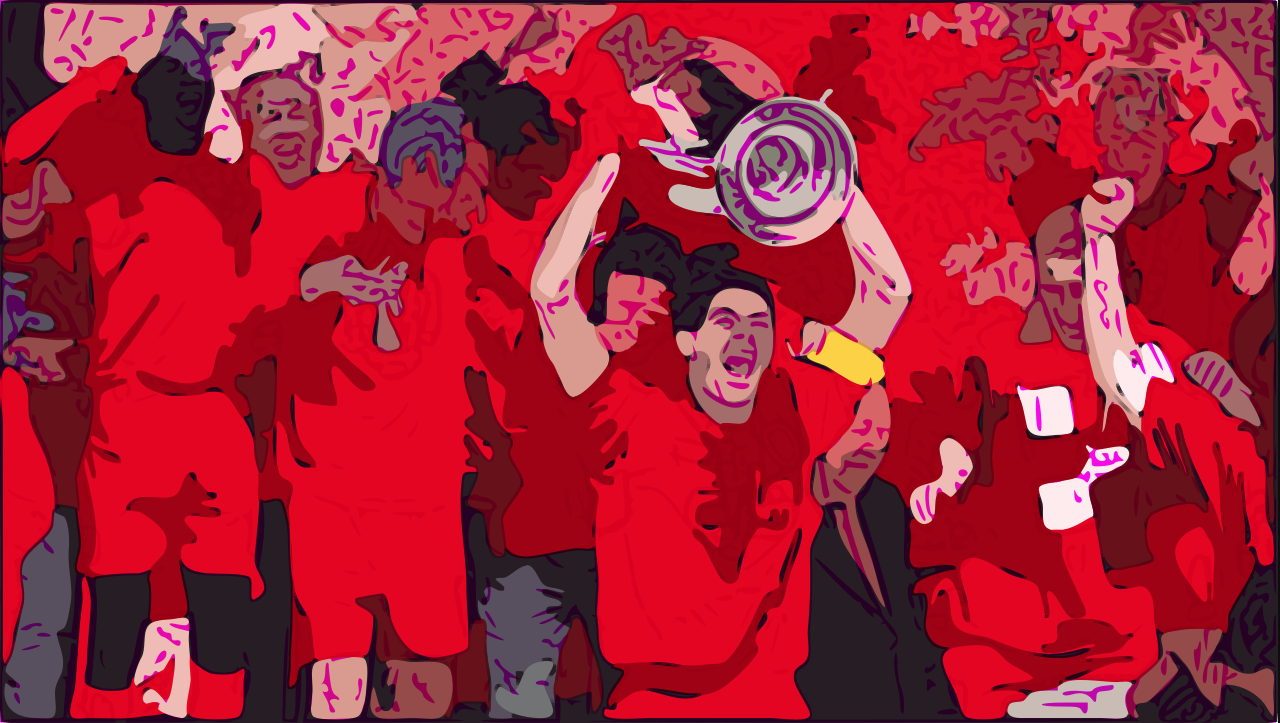
The celebrations that followed were a mix of joy, disbelief, and sheer emotion. Gerrard, clutching the trophy, epitomised the spirit of Liverpool – never say die. The scenes in the stands, with fans singing “You’ll Never Walk Alone,” were a testament to the unbreakable bond between the club and its supporters.
Impact on Liverpool and Milan
For Liverpool, this victory marked the beginning of a new era of belief and ambition. It revitalised the club, laying the foundation for future successes under Benítez. The victory also reaffirmed Liverpool’s place among Europe’s elite, a status that had been waning in the preceding years.
For Milan, the defeat was a bitter pill to swallow. It highlighted the fine margins of football – how a game seemingly won could slip away in the blink of an eye. Yet, it also underscored the club’s resilience, as they bounced back to win the Champions League two years later.
Personal Triumphs and Redemption
The final also served as a stage for personal triumphs and redemption. Players like Smicer, often in the shadows, etched their names into history. Dudek, whose form had been questioned, emerged as the hero. Benítez, the mastermind behind the comeback, solidified his reputation as a tactical genius.
Embed from Getty Images
Conclusion: A Night to Remember
The Enduring Legacy
The 2005 Champions League Final is more than just a football match; it is a story of hope, resilience, and the indomitable spirit of competition. It serves as a reminder that in football, as in life, no challenge is too great, no setback too severe. Liverpool’s comeback in Istanbul will forever be remembered as one of the greatest moments in sports history, a night when the impossible became reality.
Reflection
As we reflect on that historic night, we are reminded of the power of belief and the magic of football. The events of 25 May 2005 will continue to inspire future generations, proving that with heart and determination, anything is possible. The Atatürk Olympic Stadium may have been the venue, but the story of Liverpool’s triumph in Istanbul belongs to the annals of football lore, a tale that will be told and retold for years to come.