


Introduction
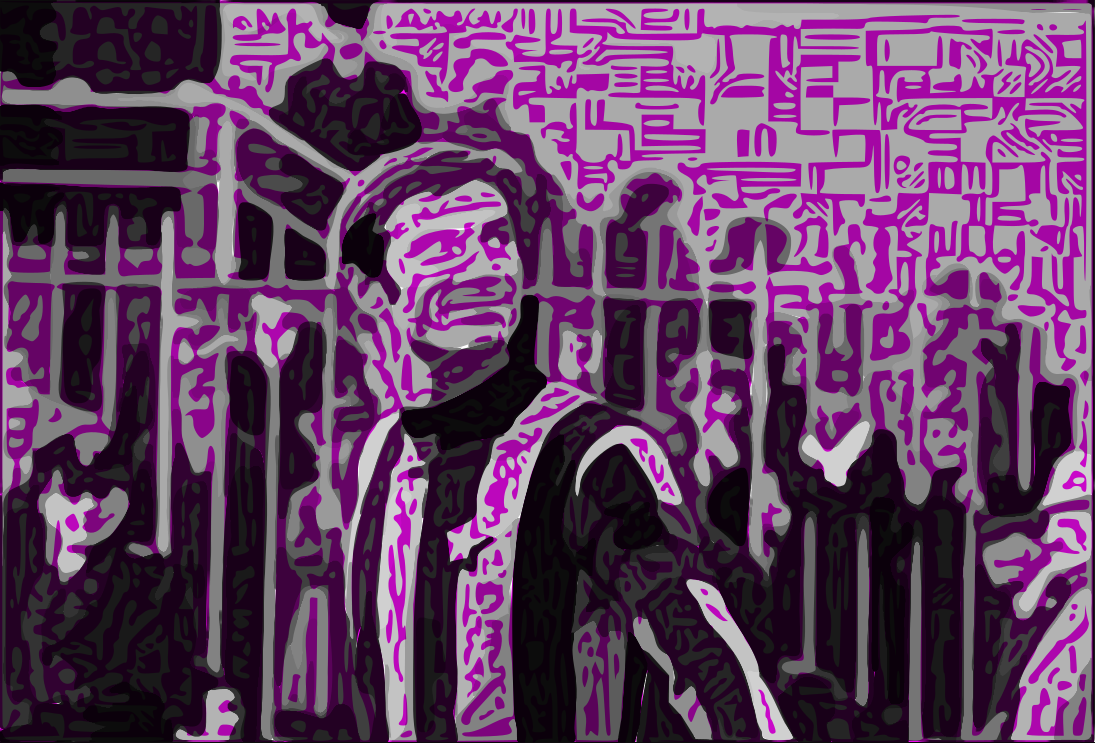
In the records of football history, certain names resonate with a timeless quality, their legacies enduring well beyond their playing days. Giacinto Facchetti is one such name, a footballer whose influence transcended the pitch and left an indelible mark on the game. Renowned for his unparalleled combination of strength and skill, Facchetti was a trailblazer, redefining the role of the full-back and becoming a pivotal figure in both Inter Milan’s golden era and the Italian national team’s success.
Facchetti’s career, spanning from the early 1960s to the late 1970s, was marked by a series of remarkable achievements and innovations that would forever change football tactics and player expectations. His ability to seamlessly blend defensive solidity with offensive prowess set him apart from his contemporaries and established him as one of the greatest defenders of all time.
At Inter Milan, under the visionary management of Helenio Herrera, Facchetti became a cornerstone of the team that dominated Italian and European football. His versatility allowed him to excel in the revolutionary catenaccio system, where he not only fulfilled his defensive duties with aplomb but also ventured forward to contribute to the attack. This dual capacity made him a unique asset, and his performances were instrumental in securing numerous titles for Inter Milan during one of the most successful periods in the club’s history.
On the international stage, Facchetti’s contributions were equally significant. As a stalwart of the Italian national team, he played a crucial role in their triumph at the 1968 European Championship and their memorable run to the final of the 1970 World Cup. His leadership, vision, and unwavering commitment exemplified the qualities of a true captain, inspiring his teammates and earning the respect of football fans worldwide.
This article delves into the life and career of Giacinto Facchetti, exploring the factors that made him a legendary figure in football. From his early beginnings in Treviglio to his transformative impact at Inter Milan and his pivotal role with the Azzurri, we will trace the journey of a player who not only mastered the art of defending but also pioneered a new way of playing the game. Through detailed accounts of his key matches, tactical contributions, and personal anecdotes, we aim to celebrate the enduring legacy of Giacinto Facchetti – a symbol of strength, skill, and innovation in football.
Early Life and Career Beginnings
Background
Giacinto Facchetti was born on 18th July 1942 in Treviglio, a small town in the province of Bergamo, Italy. Growing up in post-war Italy, Facchetti’s early years were shaped by the values of hard work, resilience, and community. His family was deeply rooted in the local culture, and young Giacinto, like many Italian boys of his generation, found his first love in football. The streets of Treviglio and local fields became his training grounds, where he honed his skills and nurtured his passion for the beautiful game.
Facchetti’s potential was evident from a young age. Tall and athletic, he possessed natural physical attributes that set him apart from his peers. His early footballing journey began with local clubs, where he initially played as a forward. It was during these formative years that he developed a keen sense of positioning, a powerful shot, and an understanding of the game’s attacking nuances – skills that would later serve him well in his professional career.
First Steps in Professional Football
The turning point in Facchetti’s life came in 1960 when he was scouted by Inter Milan. The Nerazzurri, under the ambitious leadership of club president Angelo Moratti and the astute management of Helenio Herrera, were building a team capable of challenging for top honours both domestically and in Europe. Facchetti’s signing was a testament to their commitment to investing in young, promising talents.
At Inter Milan, Facchetti’s transition from a forward to a full-back was a masterstroke orchestrated by Herrera. Recognizing his unique blend of physicality, pace, and technical ability, Herrera saw in Facchetti the potential to revolutionize the full-back role. Traditionally, full-backs were expected to focus primarily on defensive duties, but Herrera envisioned a more dynamic role for Facchetti – one that would leverage his attacking instincts and stamina to create an additional threat going forward.
Facchetti’s adaptation to this new role was seamless. His early years at Inter were characterized by rapid development and increasing influence on the pitch. Under Herrera’s guidance, he learned the intricacies of defensive positioning, tackling, and reading the game, while simultaneously being encouraged to exploit his attacking capabilities. This dual role made Facchetti a unique asset to Inter Milan, providing both defensive security and offensive support.
In these early seasons, Facchetti quickly established himself as a first-team regular. His performances were marked by consistency and excellence, earning him praise from teammates, opponents, and pundits alike. His ability to contribute at both ends of the pitch was something rarely seen at the time, and it set the stage for his illustrious career.
Establishing Himself
The early 1960s were a period of significant transformation and growth for Facchetti. As he settled into his new role, his contributions became increasingly vital to Inter Milan’s successes. The 1962-63 season saw Inter secure the Serie A title, with Facchetti playing a crucial role in their defensive solidity and offensive ventures. His ability to overlap with the midfield and provide width on the left flank added a new dimension to Inter’s play, making them a formidable force.
One of the defining aspects of Facchetti’s early career was his resilience and adaptability. Despite the physical demands of his role, he remained remarkably consistent and injury-free, showcasing his durability and commitment. His performances in these formative years laid the foundation for what would become a legacy of excellence and innovation in football.
In summary, Giacinto Facchetti’s early life and career beginnings were marked by a natural talent that was nurtured through hard work and strategic guidance. From the local fields of Treviglio to the grand stage of the San Siro, Facchetti’s journey was one of continuous growth and adaptation. His early years at Inter Milan not only set the tone for his career but also signaled the arrival of a player who would go on to redefine the role of the full-back and leave an indelible mark on the history of football.
Rise to Prominence at Inter Milan
Establishing Himself
As the 1960s progressed, Giacinto Facchetti firmly established himself as a cornerstone of Inter Milan’s defence and attack. His transformation from a promising forward to a pioneering full-back was complete, and his influence on the team was profound. Under the tactical genius of Helenio Herrera, Facchetti flourished in a role that was as demanding as it was groundbreaking.
Facchetti’s first significant season came in 1962-63 when Inter Milan clinched the Serie A title. His contribution was pivotal, as his overlapping runs on the left flank provided the team with an additional attacking outlet. His defensive duties were performed with equal aplomb, showcasing his versatility and understanding of the game. This season was just the beginning of what would become a dominant era for Inter Milan, with Facchetti at the heart of their success.
Revolutionising the Full-Back Role
Giacinto Facchetti is often credited with revolutionising the full-back role, turning it from a purely defensive position into one of the most dynamic and versatile roles on the pitch. Traditionally, full-backs were expected to stay back and mark opposing wingers, but Facchetti’s unique skill set allowed him to break these conventions.
Under Herrera’s catenaccio system, Facchetti was given the freedom to surge forward and contribute to the attack. His stamina, speed, and technical ability made him a constant threat down the left wing. He was not just a defender but also a key player in building up plays and creating scoring opportunities. Facchetti’s ability to balance his defensive responsibilities with his offensive forays set a new standard for full-backs and influenced generations of players to come.
One of the most memorable examples of his attacking prowess came in the 1965 European Cup semi-final against Liverpool. Facchetti’s marauding runs and crucial goal helped Inter overturn a first-leg deficit and advance to the final, where they would go on to win their second consecutive European Cup. His performance in this match epitomised his dual role and showcased his importance to the team.
Key Seasons and Achievements
The mid-1960s were a golden period for Inter Milan, often referred to as “La Grande Inter.” During this time, Facchetti was instrumental in securing numerous titles and accolades for the club. In the 1964-65 season, Inter Milan won both the Serie A title and the European Cup, with Facchetti playing a key role in their success.
In domestic competitions, Facchetti’s consistency was unmatched. He helped Inter secure the Serie A titles in 1965 and 1966, solidifying their dominance in Italian football. His contributions were not limited to defence; he frequently scored important goals, often arriving in the box unmarked to finish off attacks.
In European competitions, Facchetti’s impact was equally significant. He was a vital part of the team that won the Intercontinental Cup in 1964 and 1965, defeating Independiente and solidifying Inter’s status as the best club team in the world. His ability to perform at the highest level in both domestic and international competitions underscored his versatility and importance to the team.
Tactical Brilliance and Contributions
Catenaccio and Beyond
The tactical system known as catenaccio was central to Inter Milan’s success during the 1960s, and Facchetti was a crucial element in its implementation. Catenaccio, meaning “door-bolt” in Italian, was a highly structured defensive system designed to shut out opponents and exploit counter-attacking opportunities.
Under Herrera’s guidance, Facchetti’s role in catenaccio was multi-faceted. While the system was built on a solid defensive foundation, it required full-backs like Facchetti to be both defensively astute and offensively capable. Facchetti excelled in this environment, using his pace and anticipation to thwart opposition attacks while launching counter-attacks of his own.
Facchetti’s ability to read the game and his impeccable timing in making forward runs made him a perfect fit for this system. His overlapping runs on the left flank added width and depth to Inter’s attack, often catching opponents off guard. This tactical innovation not only brought success to Inter but also influenced football tactics for decades to come.
Defensive Skills and Attacking Flair
Facchetti’s skill set was unique for a defender. His defensive acumen was marked by his excellent positioning, strong tackling, and aerial prowess. Standing at 1.88 meters, he was formidable in the air, both in defensive situations and during set-pieces in the opposition’s box.
However, it was his attacking contributions that truly set him apart. Facchetti had a keen eye for goal, scoring 75 goals in 634 appearances for Inter Milan – a remarkable tally for a defender. His powerful left foot and ability to make late runs into the box made him a constant threat. One of his most famous goals came in the 1965 European Cup final against Benfica, where he scored a crucial goal to secure the title for Inter.
Facchetti’s performances were not just about individual brilliance; they were also about teamwork and understanding his role within the team’s tactical setup. His ability to link up with midfielders and forwards, combined with his crossing ability, made him a vital component of Inter’s attacking play.
International Career with Italy
Early International Matches
Facchetti’s international career began in 1963 when he earned his first cap for Italy in a match against Turkey. His debut was the start of a long and distinguished international career that spanned over a decade. Facchetti quickly established himself as a key player for the Azzurri, bringing the same qualities of strength, skill, and versatility that he exhibited at Inter Milan.
In the early years of his international career, Facchetti was part of a team that was undergoing a period of transition. Despite some initial struggles, his performances stood out, and he became a regular fixture in the national team setup. His ability to perform consistently at a high level made him indispensable to the Italian squad.
Euro 1968 Triumph
One of the highlights of Facchetti’s international career was Italy’s victory in the 1968 European Championship. The tournament, held on home soil, was a significant moment for Italian football, and Facchetti’s leadership was crucial to their success.
As captain, Facchetti led by example, guiding the team through a series of tough matches. His defensive solidity and ability to inspire his teammates were key factors in Italy’s triumph. The final against Yugoslavia, which went to a replay after a 1-1 draw, saw Italy emerge victorious with a 2-0 win, securing their first major international trophy since the 1938 World Cup.
Facchetti’s role in this victory cannot be overstated. His leadership on and off the pitch helped unify the team and instill a winning mentality. The Euro 1968 triumph was a testament to his qualities as both a player and a captain, and it remains one of the proudest moments of his career.
1970 World Cup
The 1970 World Cup in Mexico was another significant chapter in Facchetti’s international career. Italy’s journey to the final was marked by a series of memorable matches, including the epic semi-final against West Germany, known as the “Game of the Century.”
Facchetti’s performances throughout the tournament were exemplary. His defensive skills were on full display, as he helped Italy navigate through the group stages and knockout rounds. The semi-final against West Germany, which ended in a 4-3 victory for Italy after extra time, saw Facchetti play a crucial role in one of the most thrilling matches in World Cup history.
In the final, Italy faced Brazil, a team widely regarded as one of the greatest of all time. Despite Italy’s best efforts, they were defeated 4-1 by a Brazilian side featuring legends such as Pelé and Jairzinho. Although Italy fell short, Facchetti’s leadership and performances throughout the tournament earned him widespread praise and solidified his status as one of the game’s greats.
Leadership and Legacy
Captaincy and Leadership
Giacinto Facchetti’s leadership qualities were evident both on and off the pitch. As captain of both Inter Milan and the Italian national team, he led by example, displaying a calm and composed demeanour that inspired confidence in his teammates. His ability to read the game, make crucial decisions, and maintain high standards of professionalism made him an ideal leader.
Facchetti’s leadership was not just about his performances; it was also about his influence on the team’s culture and mentality. He was known for his sportsmanship, humility, and dedication to the game. These qualities endeared him to his teammates and opponents alike, earning him respect and admiration throughout the footballing world.
End of Playing Career
After nearly two decades at the highest level, Facchetti retired from professional football in 1978. His final years at Inter Milan were marked by continued excellence and a seamless transition into other roles within the club. Post-retirement, Facchetti remained deeply involved in football, serving in various administrative capacities.
His most notable post-playing role was as president of Inter Milan, a position he held from 2004 until his untimely death in 2006. As president, Facchetti continued to contribute to the club’s success, overseeing a period of stability and growth. His legacy at Inter Milan, both as a player and as an administrator, remains deeply cherished by the club and its fans.
Personal Life and Character
Off the Pitch
Away from the spotlight, Giacinto Facchetti was known for his humility and grounded nature. He valued his family and maintained a close connection to his roots in Treviglio. Despite his fame and success, he remained approachable and modest, traits that endeared him to those who knew him personally.
Facchetti was also known for his involvement in charitable activities and his commitment to giving back to the community. He used his platform to support various causes and initiatives, reflecting his belief in the importance of social responsibility.
Character and Integrity
Facchetti’s character and integrity were widely recognised throughout his career. He was seen as a paragon of sportsmanship and fair play, always conducting himself with dignity and respect. His approach to the game and his interactions with others set a standard for professionalism and ethical conduct.
Quotes from teammates, opponents, and coaches often highlight Facchetti’s integrity and the respect he commanded. His influence extended beyond the pitch, shaping the lives of those around him and leaving a lasting impact on the football community.
Legacy and Impact on Modern Football
Influence on Future Generations
Giacinto Facchetti’s legacy is evident in the way he transformed the role of the full-back. Modern full-backs who combine defensive duties with offensive contributions owe much to the path he blazed. Players such as Roberto Carlos, Paolo Maldini, and more recently, Dani Alves and Marcelo, have cited Facchetti as an inspiration for their own playing styles.
His pioneering approach to the full-back role has become a standard in modern football, with full-backs now expected to contribute significantly to both defence and attack. Facchetti’s influence on tactics and player development continues to be felt, making him a true icon of the sport.
Tributes and Honours
Facchetti’s contributions to football have been recognised through numerous awards and honours. He was posthumously inducted into the Italian Football Hall of Fame and named among FIFA’s 100 greatest living players. Inter Milan’s youth academy is named in his honour, reflecting the lasting impact he has had on the club.
Memorials and tributes to Facchetti are found throughout the footballing world, celebrating his achievements and the values he embodied. His legacy is not just one of individual brilliance, but also of the positive influence he had on the game and those who play it.
Conclusion
Giacinto Facchetti’s career is a testament to the transformative power of talent, dedication, and innovation. From his early days in Treviglio to his iconic status at Inter Milan and with the Italian national team, Facchetti’s journey was marked by excellence and a pioneering spirit. His ability to redefine the full-back role, combined with his leadership and integrity, made him a true legend of the sport. Today, his legacy continues to inspire future generations, ensuring that the name Giacinto Facchetti will forever be remembered in the annals of football history.
