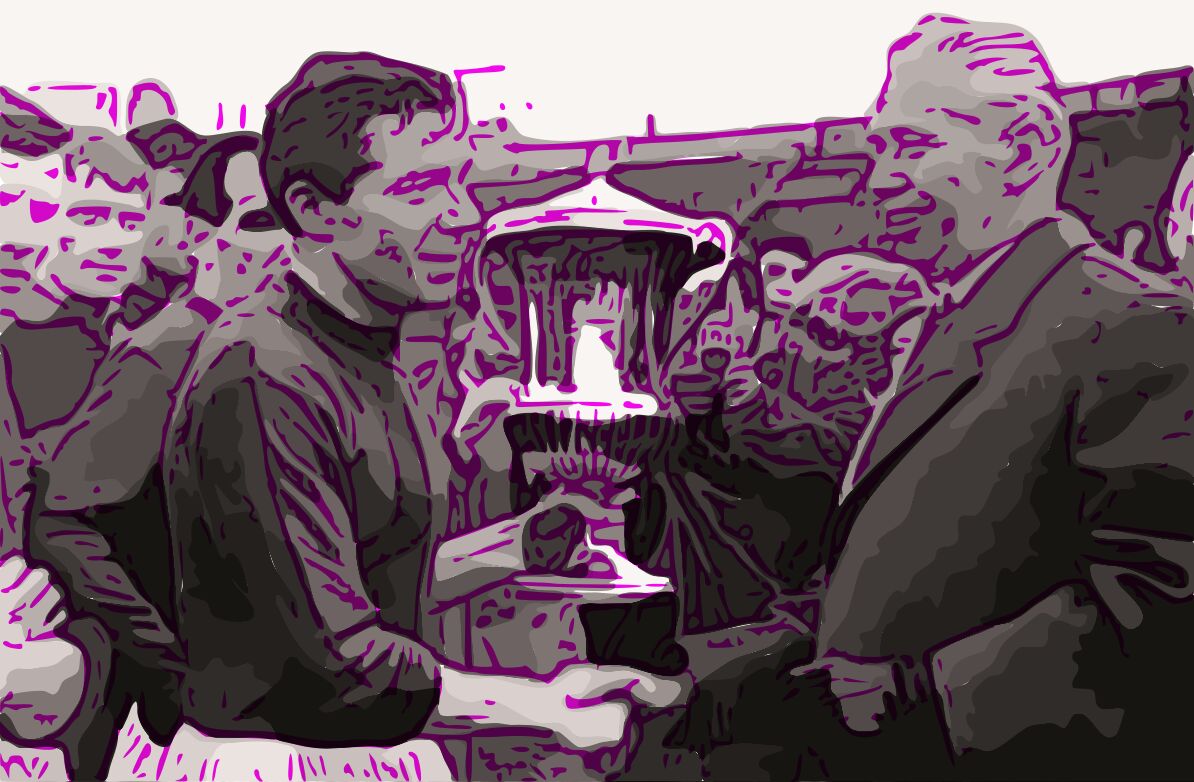
Section 2: Early Years and Dominant Teams
The formative years of the Mitropa Cup were not just about overcoming logistical hurdles; they were a showcase of footballing prowess as clubs from different nations vied for supremacy. This period not only highlighted the tactical innovations and competitive spirit of the participating teams but also set the stage for the emergence of some of the most iconic clubs in European football history.
2.1 The Pioneering Champions
The inaugural Mitropa Cup in 1927 was won by Sparta Prague from Czechoslovakia, who defeated Rapid Wien of Austria in the final. This victory was not merely a sporting triumph; it symbolized the potential of Czech clubs on the European stage and ignited a fierce rivalry that would endure throughout the tournament’s history. Sparta Prague’s success set a high standard for competition and established the Czechoslovakian teams as formidable opponents in European football.
2.2 Dominance of Central European Clubs
In the ensuing years, clubs like Ferencváros from Hungary and Austria’s First Vienna FC also left indelible marks on the tournament. Ferencváros, in particular, showcased remarkable consistency and tactical sophistication, winning the Cup multiple times in the early 1930s. Their success underscored the strength of Hungarian football during this era, which was characterized by technical skill and strategic gameplay that influenced football tactics across Europe.
2.3 Rivalries and Memorable Matches
One of the most captivating aspects of the Mitropa Cup was the intense rivalries it fostered. Matches between teams like Rapid Wien and Ferencváros became much-anticipated fixtures, drawing large crowds and stoking national pride. These encounters were not just football matches; they were battles for supremacy that echoed the political and cultural tensions of the time. The fierce competition provided thrilling entertainment and pushed teams to elevate their level of play, contributing significantly to the development of European club football.
2.4 Role of Italian Clubs
Italian clubs also played a pivotal role in the Mitropa Cup, with teams like Bologna and Roma participating. Bologna’s victory in the 1932 edition marked Italy’s growing influence in the tournament. Their success demonstrated the tactical evolution of Italian football and its ability to compete against the Central European powerhouses. These early interactions laid the groundwork for the rich history of Italian success in European club competitions.
As the Mitropa Cup progressed through its early years, it not only crowned champions but also acted as a crucible for the development of international football rivalries. The tournament provided a platform for clubs to assert their dominance and for nations to showcase their footballing culture, contributing to a richer, more interconnected European football landscape. This era of the Mitropa Cup exemplified the unifying power of football, bridging diverse cultures and fostering a spirit of competitive camaraderie that would influence the future of the sport on the continent.
Section 3: The Mitropa Cup’s Role in European Football Evolution
The influence of the Mitropa Cup extended far beyond the thrilling matches and fierce rivalries it hosted. It played a crucial role in the evolution of football tactics and club management across Europe, serving as a catalyst for innovation and professional growth in the sport. This section explores how the tournament contributed to the tactical and technical development of football and its profound impact on the structure of international club competitions.
3.1 Tactical Innovations and Cross-Pollination
The Mitropa Cup was a melting pot of footballing styles and strategies, as it brought together clubs with different tactical approaches. Central European teams, known for their emphasis on physical fitness and rigorous training regimes, often clashed with the more technically adept and tactically flexible Italian and Hungarian sides. This blend of styles fostered a level of tactical sophistication that was previously unseen in many domestic leagues. Coaches and players had the unique opportunity to learn from their international counterparts, leading to a cross-pollination of ideas that enriched the tactical depth of the sport.
3.2 Impact on Club Management and Professionalism
Participation in the Mitropa Cup also spurred clubs to adopt more professional structures and practices. The exposure to international competition highlighted the need for better club management, including improved training facilities, player recruitment strategies, and financial planning. Clubs began to recognize the value of a well-organized management system to compete effectively on the European stage, paving the way for the modern football club model.
3.3 Fostering International Club Competitions
The success of the Mitropa Cup demonstrated the viability and appeal of international club competitions, influencing the establishment of future tournaments like the European Cup. The Mitropa Cup’s format and international flavor provided a blueprint for these competitions, showing how football could bring together different nations in a competitive yet unifying event. The European governing body took note of this success, which eventually led to the creation of the European Cup in 1955, mirroring many of the principles first seen in the Mitropa Cup.
3.4 Enhancing the Fan Experience and Media Coverage
The tournament also had a significant impact on the fan experience. The prospect of watching their local clubs compete against foreign teams drew large crowds, generating a buzz that transcended the usual domestic league matches. Moreover, the Mitropa Cup garnered considerable media attention, which helped in broadening the tournament’s appeal and increasing its visibility across Europe. This enhanced media coverage contributed to the growing popularity of football as a spectator sport, setting the stage for its rise as a major global entertainment phenomenon in the subsequent decades.
The Mitropa Cup’s role in the evolution of European football was multifaceted. By promoting tactical innovation, professionalism in club management, and the concept of international competitions, it left an indelible mark on the sport. The legacy of the Mitropa Cup is evident in the structures, strategies, and spirit of today’s leading football tournaments, underlining its enduring influence on the beautiful game.
Section 4: Political Implications and the War Years
The Mitropa Cup was not only a sporting phenomenon but also a reflection of the complex political landscape of Europe between the two World Wars. As nationalism and political tensions escalated across the continent, the tournament became intertwined with broader political movements and ideologies, which influenced its progression and even its temporary cessation.
4.1 The Interwar Years: A Political Football
During the interwar years, the Mitropa Cup served as more than just a platform for football; it was a venue for political expression and diplomacy. The selection of teams and the structure of the tournament often mirrored the political alliances and tensions of the time. For instance, the inclusion or exclusion of teams from certain nations was sometimes perceived as a reflection of broader political stances or conflicts. This period highlighted how sport, particularly football, could act as a proxy for nationalistic sentiments and international relations.
4.2 Football under Fascist Regimes
The rise of fascist regimes in countries like Italy and Germany had a significant impact on the tournament. These governments viewed sports achievements as a means to promote national pride and international prestige. Italian clubs, in particular, received substantial state support as Mussolini’s regime sought to use their successes in the Mitropa Cup to bolster the image of Italian superiority. This period saw the politicization of football, where victories on the field were exploited for propaganda purposes, emphasizing the regime’s strength and ideological reach.
4.3 The Impact of World War II
The outbreak of World War II brought the Mitropa Cup, like many other international sporting events, to a halt. The last tournament before the war was held in 1939, and the subsequent editions were suspended as Europe plunged into conflict. The war years were a time of immense hardship and disruption, and the suspension of the Cup was indicative of the broader cessation of normal life across the continent. The tournament’s interruption also symbolized the breakdown of the cultural and diplomatic bridges that sports had helped to build in the preceding years.
4.4 Post-War Resumption and Challenges
When the Mitropa Cup resumed in 1951, the landscape of European football and international relations had dramatically changed. The post-war environment posed new challenges for the tournament, including the Cold War divisions that now defined Europe. The resurrection of the Mitropa Cup in this era was a testament to the enduring appeal of international club football, but also to the challenges of reviving a competition in a continent deeply scarred and divided by war.
4.5 Sporting Diplomacy and Reconciliation
Despite the challenges, the post-war editions of the Mitropa Cup played a role in the gradual process of European reconciliation. The tournament provided a platform for interaction and engagement between clubs from both sides of the Iron Curtain, albeit with some political undertones. This phase of the competition underscored the potential of sports to bridge divides, fostering a spirit of cooperation and mutual respect among nations still recovering from the ravages of conflict.
In conclusion, the Mitropa Cup’s interplay with the political dynamics of the 20th century illustrates the profound impact that sports can have on societal and political structures. The tournament not only mirrored the political climate of its times but also contributed to the shaping of international relations through the universal language of football.
Section 5: The Decline and Final Editions
As the landscape of European football continued to evolve in the post-war years, the Mitropa Cup faced numerous challenges that ultimately led to its decline in prominence. Despite its historical significance and contribution to the development of international club competitions, the introduction of new tournaments and changing priorities in European football saw the Mitropa Cup gradually recede from the spotlight.
5.1 The Rise of the European Cup
The establishment of the European Cup in 1955 marked a pivotal shift in the focus of European club football. This new tournament, which later evolved into the UEFA Champions League, was designed to include champions from all recognized national leagues across Europe, thereby broadening the scope beyond the Central and Eastern European clubs that predominantly featured in the Mitropa Cup. The allure of competing on a wider European stage with enhanced media coverage and greater financial incentives drew the attention and resources of top clubs away from the Mitropa Cup.
5.2 Changes in European Football Dynamics
The Mitropa Cup struggled to maintain its relevance amid the changing dynamics of European football. The economic disparities between Western and Eastern Europe, exacerbated by the Cold War, affected the quality and competitiveness of the teams participating from Eastern bloc countries. Moreover, the shifting political landscape and the introduction of professional football in Western Europe changed the priorities of clubs, with many focusing more on domestic leagues and the more lucrative European Cup.
5.3 Attempts at Revival
In response to its waning influence, organizers made several attempts to revive the Mitropa Cup during the 1960s and 1970s. These efforts included restructuring the tournament format to include more teams and offering more attractive prizes. However, these changes were insufficient to recapture the prestige and popularity of the tournament’s early years. The competition continued to be seen as a secondary event compared to the European Cup and the UEFA Cup.
5.4 The Final Editions
The last editions of the Mitropa Cup in the late 1980s and early 1990s were characterized by a nostalgic attempt to honor the tournament’s rich history rather than a genuine competitive endeavor. The participation levels and the quality of play had significantly declined, and the tournament no longer attracted the top clubs or the media attention it once did. The final tournament, held in 1992, was a low-key event that marked the end of an era for one of Europe’s pioneering international club competitions.
5.5 Reflecting on the Legacy
Despite its decline, the legacy of the Mitropa Cup remains significant in the annals of football history. It served as a precursor to modern European club competitions and contributed to the development of football tactics, club management, and international sporting culture. Its historical role in fostering European football rivalries and promoting international collaboration through sport continues to be recognized and appreciated by football historians and enthusiasts alike.
In retrospect, the decline of the Mitropa Cup reflects the broader transformations within European football and the global sporting landscape. While it may no longer be a fixture on the football calendar, the principles and innovations it introduced have endured, influencing the structure and spirit of subsequent generations of football tournaments.
Section 6: Legacy and Influence on Modern Competitions
While the Mitropa Cup may have receded from the immediate consciousness of the footballing world, its legacy is indelibly etched into the fabric of European club competitions. This tournament not only pioneered the concept of international club competitions but also established a template that would influence the structure and ethos of subsequent tournaments, most notably the UEFA Champions League.
6.1 Blueprint for Future Competitions
The Mitropa Cup’s format, which brought together clubs from different nations to compete in a structured league and knockout format, served as a direct precursor to the European Cup and, subsequently, the Champions League. Its emphasis on international competition helped to foster a sense of European identity and camaraderie among clubs and fans alike. These early experiences of cross-border matches laid the groundwork for the acceptance and success of future European tournaments.
6.2 Innovations in Football Management and Tactics
Beyond the field, the Mitropa Cup prompted innovations in club management and tactics that resonated throughout the sport. It encouraged clubs to adopt more professional approaches to training, player development, and strategic planning. The heightened competition also accelerated tactical innovations as teams encountered diverse playing styles and strategies that challenged their usual approaches. These evolutions contributed significantly to the sophistication of football tactics seen in today’s game.
6.3 Cultivating Rivalries and Partnerships
One of the most enduring impacts of the Mitropa Cup was its role in cultivating rivalries and partnerships that enriched European football culture. The intense matches and competitive spirit of the tournament helped build lasting rivalries that drew fans and heightened the games’ stakes. At the same time, it fostered a sense of respect and partnership among clubs, as they frequently engaged in exchanges of ideas, players, and management practices.
6.4 Inspirational Value for Smaller Clubs
For many smaller clubs, participation in the Mitropa Cup was a defining moment that put them on the European football map. It provided these clubs with a platform to showcase their talents on a larger stage and to aspire to higher standards in club development. The tournament demonstrated that with ambition and organization, smaller clubs could compete effectively against more established teams, inspiring successive generations of clubs to aim for participation in European competitions.
6.5 Educational and Cultural Impact
Finally, the Mitropa Cup played a significant role in the educational and cultural spheres of football. It exposed players, managers, and fans to different cultures and playing styles, promoting a broader understanding and appreciation of the sport’s international dimensions. This cultural exchange contributed to a more inclusive and interconnected European football community, echoing the broader political and social integration processes occurring across the continent during the 20th century.
Conclusion
As we reflect on the storied journey of the Mitropa Cup, it is evident that its significance extends far beyond the records of wins and losses. This pioneering tournament not only played a critical role in the development of international club football but also left a lasting imprint on the cultural and social fabric of the sport. The Mitropa Cup was more than a competition; it was a visionary concept that bridged diverse nations through the universal language of football, fostering camaraderie, competition, and innovation.
The Historical Context and Its Legacy
In an era when Europe was grappling with political upheavals and social transformations, the Mitropa Cup emerged as a beacon of unity and competitive spirit. It provided a platform for showcasing footballing talent across borders, helping to break down nationalistic barriers and promoting a pan-European identity in sports. This legacy of unity and international collaboration is perhaps the Mitropa Cup’s most enduring contribution to football.
A Catalyst for Modern Football Competitions
The structures and ideas pioneered by the Mitropa Cup have undeniably shaped the landscape of current European club competitions. The concept of a continent-wide club tournament was revolutionary at the time and has evolved into the modern Champions League, a testament to the enduring appeal and relevance of the Mitropa Cup’s foundational principles. Each match played under the lights of the Champions League evenings carries echoes of the early Mitropa Cup encounters.
Continued Relevance in Today’s Football
Today, the spirit of the Mitropa Cup lives on in every international club competition. Its influence can be seen in the way these tournaments are structured, the integration of diverse football cultures, and the continuous pursuit of excellence and innovation in club football. The tournament also serves as a historical lesson on the potential of sports to transcend societal divides, offering a template for how football can contribute to broader social and cultural objectives.
Preserving the Memory and Lessons of the Mitropa Cup
As we move forward, preserving the memory of the Mitropa Cup is crucial not only for the sake of nostalgia but also for the valuable lessons it offers about innovation, unity, and the transformative power of sports. Football historians, clubs, and governing bodies should continue to celebrate and study this tournament, ensuring that its stories and achievements inspire future generations.
In closing, the Mitropa Cup’s narrative is a vivid chapter in the annals of football history, rich with lessons about courage, innovation, and the unifying power of sport. Its legacy is a reminder that football is more than just a game—it is a catalyst for change, a builder of bridges between cultures, and a continual source of inspiration and community for people around the world. As we celebrate the history of the Mitropa Cup, we also celebrate the enduring values it has imparted to the beautiful game.