


Introduction
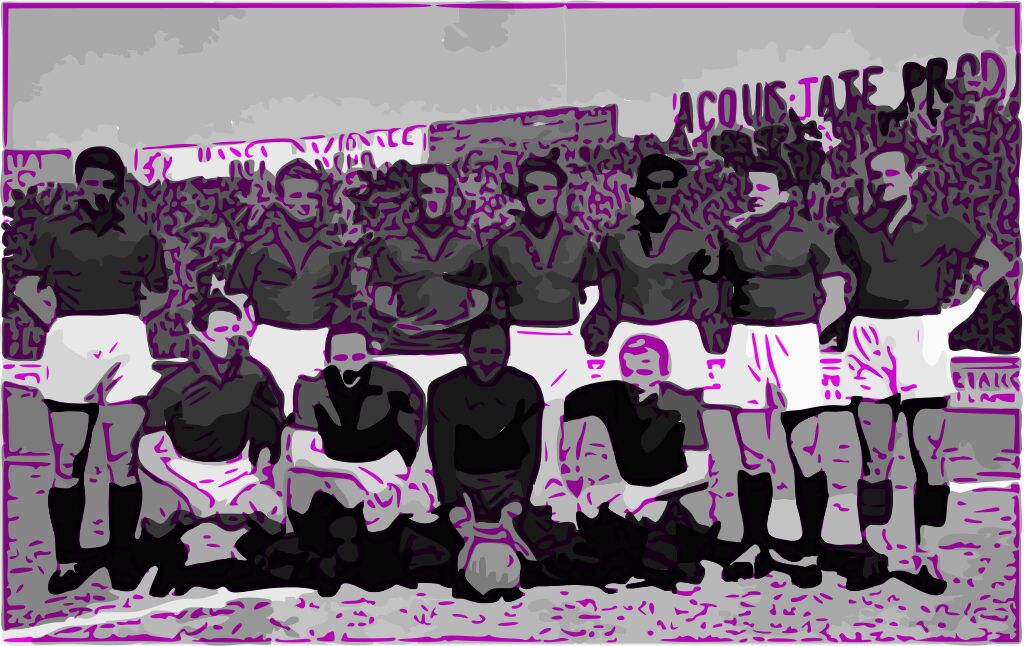
In the late 1940s, Europe was a continent in reconstruction. The ravages of World War II had left deep scars across landscapes and nations, and Italy was no exception. Amidst this backdrop of recovery and rebuilding, football emerged not merely as a sport but as a beacon of hope and a source of national pride. In the city of Turin, the local football club, Torino FC, rose to prominence, becoming a symbol of resilience and excellence in a country striving for normalcy and joy after years of hardship.
Torino Football Club, often simply known as Torino or by their affectionate nickname ‘Il Toro’ (The Bull), had a history that stretched back to the turn of the century. Yet, it was in the post-war era that the club truly made its mark on Italian and world football. Under the astute leadership of their ambitious president, Ferruccio Novo, Torino embarked on a journey that would not only redefine their identity but also leave an indelible impact on the sport in Italy.
The era of the Grande Torino, as it came to be known, was characterized by an unparalleled dominance in Italian football. Between 1945 and 1949, Torino won five consecutive Serie A titles, a feat that was unprecedented at the time and remains rare in the annals of Italian football. Their style of play, sportsmanship, and relentless pursuit of victory captivated the hearts of fans and neutrals alike, making their home ground, Stadio Filadelfia, a fortress feared by rivals and revered by supporters.
This period of supremacy was not just about accumulating trophies; it was a demonstration of football’s potential to uplift spirits, unite communities, and restore national pride. In a country eager to leave behind the traumas of war and division, Torino provided a narrative of success and unity, becoming a source of immense pride for the city of Turin and a beacon of hope for the entire nation. Their story is not just a tale of sporting triumph but a chapter in the broader history of Italy’s recovery and rebirth in the mid-20th century.
As we delve into the details of this golden era, it becomes clear that the legacy of Grande Torino extends beyond mere statistics or records. It is a legacy of how sport, at its best, mirrors the highest aspirations of society itself, encapsulating the struggles and triumphs of an era that reshaped not only a nation but also the beautiful game.
Chapter 1: The Birth of Grande Torino
The origins of the legendary Grande Torino can be traced back to a blend of visionary leadership and strategic brilliance. Post-war Italy was in desperate need of heroes, and Torino’s ascent began with the ambitious plans laid by the club’s president, Ferruccio Novo. Novo, who took the reins in 1939, was not just a businessman but a football enthusiast who understood the power of the sport in uniting people. His leadership during and after the war marked a period of profound transformation for Torino FC.
The Visionary Leadership of Ferruccio Novo
Novo’s approach to building a successful team was revolutionary for the time. He focused on creating a solid foundation by investing in young, talented players who could grow together, complemented by a few experienced heads to guide them. This philosophy was contrary to the more common practice of seeking out established stars. Novo’s recruitment strategy was centered around creating a cohesive unit that could dominate Italian football through skill, teamwork, and an unwavering winning mentality.
Strategic Recruitment and Key Signings
One of Novo’s first masterstrokes was the appointment of Ernesto Egri Erbstein, an astute Hungarian coach, known for his innovative tactics and profound understanding of the game. Under Erbstein’s guidance, Torino began to develop a fluid, attacking style of play that was quite ahead of its time. The core of the team was formed by astutely scouting and signing players who were at the cusp of their potential, such as the legendary Valentino Mazzola, who would go on to become one of the greatest Italian footballers.
Mazzola, signed from Venezia, was a versatile forward, capable of playing multiple roles on the pitch. His leadership qualities and technical prowess made him the ideal captain for Novo’s ambitious project. Alongside Mazzola, Torino secured the services of other key players like Ezio Loik, a dynamic midfielder from Venezia as well, and Franco Ossola, a winger whose speed and agility posed a constant threat to opposition defences.
The Formation of a Winning Team
The squad that Novo and Erbstein built was not just a collection of talented individuals but a well-oiled machine. The team’s backbone was its Italian core, with players such as goalkeeper Valerio Bacigalupo, defender Aldo Ballarin, and midfield general Luigi Grezar. This Italian core was crucial not only in terms of skill but also in fostering a deep sense of camaraderie and national pride.
The late 1940s saw Torino not only dominate the Serie A but redefine it. Their approach to the game involved relentless pressing, quick passing, and a level of physical fitness that many teams could not match. This style of play, combined with the strategic acumen of their coach and the visionary leadership of their president, led Torino to five consecutive league titles from 1945 to 1949.
The rise of Grande Torino was more than just a footballing success; it was a cultural phenomenon. As the team’s victories mounted, so did their popularity. The city of Turin rallied behind their heroes, seeing in them the resurgence of Italian spirit and pride. The team’s success brought joy and a sense of normalcy back to a community, and indeed a nation, that had been starved of it for too long.
In this golden era, Torino not only captured titles but also the hearts of football fans across Italy. Their legacy was not just built on their victories but on how they played the game and what they represented during a critical period in Italian history. The foundation laid by Novo’s foresight and Erbstein’s tactical genius was pivotal, marking the birth of a team that would be remembered as one of the greatest in football history.
Chapter 2: The Tactics and the Mastery
Under the guidance of Ernesto Egri Erbstein, Grande Torino not only challenged but changed the tactical landscape of Italian football. The team’s style of play, which fused technical skill with strategic intelligence, became a hallmark of their dominance in the late 1940s. This chapter delves into the tactical innovations introduced by Erbstein and how these strategies led to a series of remarkable triumphs that cemented Grande Torino’s legendary status.
Erbstein’s Tactical Innovations
Erbstein’s approach to football was revolutionary. He introduced a system that emphasized fluidity and interchangeability among players, which was a stark contrast to the rigid, position-bound structures typical of the time. This system allowed Torino to adapt quickly during games and exploit the weaknesses of their opponents with dynamic precision. The tactical flexibility was underpinned by a rigorous training regimen that ensured players were physically capable of implementing Erbstein’s demanding strategies.
One of the core elements of Erbstein’s tactics was the integration of the midfield and attack, with players like Valentino Mazzola demonstrating versatility in both creating and finishing plays. This blurred the traditional roles within the team and made Torino unpredictably effective. Mazzola, along with his teammates, mastered the art of quick, short passes (“il passo corto”) and maintained a high-tempo game that many teams found difficult to counter.
Season-by-Season Breakdown
- 1945-46 Serie A Season: Fresh from the disruptions caused by the war, Torino displayed dominance by winning the league with a 10-point margin, a testament to their tactical superiority and mental resilience.
- 1946-47 Serie A Season: This season saw Torino repeat their success with an even greater margin, showcasing their ability to maintain peak performance levels and adapt to the increasing pressures and expectations.
- 1947-48 Serie A Season: By now, Torino’s style of play was well-recognized, and yet they continued to evolve, clinching their third consecutive title with a robust defense and the league’s most potent attack.
- 1948-49 Serie A Season: In what would tragically be their final full season together, Grande Torino secured their fifth consecutive title, a record that spoke volumes about their sustained excellence and tactical evolution.
The Playing Style that Set Torino Apart
The fluid, attacking football that defined Grande Torino was not just about scoring goals; it was about asserting a philosophy of play that resonated with fans and brought fear to their rivals. The team’s ability to maintain possession, combined with their relentless pressing when out of possession, forced opponents into errors and turned games into exhibitions of Torino’s prowess.
The squad’s depth allowed Erbstein to rotate his players without diminishing the team’s effectiveness, showcasing the comprehensive strength of the squad. The wing play, particularly from players like Franco Ossola and Pietro Ferraris, provided width and stretched defenses, creating spaces for Mazzola and others to exploit.
Legacy of Tactical Excellence
The tactical innovations of Grande Torino during this era were not just effective; they were transformative. They influenced Italian football profoundly, prompting other teams to reconsider their approaches to training, strategy, and player development. The legacy of Erbstein’s tactics can be seen in the fluid playing styles of many modern teams, who still draw on principles first popularized by Torino in the post-war era.
Chapter 3: The Icons of Il Toro
Grande Torino was not just a team; it was a constellation of stars whose brilliance illuminated the entire landscape of Italian football. Each player brought a unique blend of skill, passion, and determination that contributed to the team’s overwhelming success. This chapter profiles several standout players of the era, focusing on their contributions both on and off the pitch.
Valentino Mazzola: The Heartbeat of Grande Torino
Valentino Mazzola, the captain and talisman of Grande Torino, was renowned not just for his technical skill but for his leadership and charisma. Mazzola’s ability to play across multiple positions showcased his versatility and footballing intelligence. As a forward, he was a prolific scorer, and as a midfielder, a creative playmaker. His influence was such that he not only directed play but also inspired his teammates to perform beyond their limits. His role in pivotal matches, particularly during close contests, demonstrated his clutch ability to decide outcomes when it mattered most.
Ezio Loik: Mazzola’s Perfect Foil
Ezio Loik, often seen as Mazzola’s right-hand man, was crucial in the midfield’s dynamism. Loik’s partnership with Mazzola in the centre of the park was telepathic, with both players seamlessly interchanging positions and responsibilities. His tireless work rate and precision passing enabled Torino to dominate midfield battles and control the tempo of their games. Loik’s ability to transition from defense to attack was instrumental in Torino’s quick counter-attacking style, making him a fundamental piece of Erbstein’s tactical puzzle.
Franco Ossola: The Wing Wizard
Franco Ossola’s role on the wing was vital to Torino’s attacking strategy. His blistering pace and ability to deliver pinpoint crosses made him a constant threat on the flanks. Ossola’s contributions were not limited to assists; he was also a capable scorer, often cutting inside to unleash shots with his powerful left foot. His performances in key games, where his direct running destabilized defenses, underscored his importance to the team’s offensive prowess.
The Defensive Pillars: Bacigalupo and Ballarin
Behind the scintillating forward line, goalkeeper Valerio Bacigalupo provided security with his commanding presence in goal. Known for his remarkable reflexes and shot-stopping ability, Bacigalupo was a reassuring figure between the posts. Alongside him, Aldo Ballarin, part of a robust defensive unit, excelled with his strong tackling and excellent reading of the game. Their defensive resilience allowed Torino to play with confidence, knowing their back line was secure.
Legacy Beyond the Pitch
The impact of these players extended beyond their technical abilities. They were symbols of hope and resilience in a country recovering from war. Their conduct on the field—marked by sportsmanship and teamwork—reflected the values that post-war Italy aspired to embody. Each player was not only a footballer but also an ambassador of the sport, influencing generations of players and fans with their dedication and spirit.
Through their achievements, these icons of Il Toro left an enduring legacy that transcends the mere statistics of games won or goals scored. They embodied the spirit of an era, becoming legends not only in Turin but across the footballing world. Their story is a testament to the impact that a group of talented, united individuals can have, both on a sport and on the society that cherishes it.
Chapter 4: The Superga Air Disaster
On the 4th of May, 1949, tragedy struck that would forever alter the course of Italian football and leave an indelible scar on the national consciousness. The Grande Torino team, returning from a friendly match in Lisbon, was involved in a catastrophic air disaster at the Basilica of Superga, just outside Turin. This chapter details the events leading up to the disaster, the day of the tragedy, and its immediate aftermath, capturing a moment of profound sorrow and loss.
The Fateful Journey
The team had been in Portugal to play a friendly match against Benfica, a gesture of goodwill and sportsmanship that was characteristic of the era. The flight back to Italy was supposed to be routine. However, as the Fiat G.212 aircraft approached Turin amidst poor weather conditions, visibility was drastically reduced. The plane tragically crashed into the rear wall of the Basilica of Superga, situated on a hill overlooking the city. There were no survivors among the 31 onboard, which included almost the entire first team and coaching staff.
The Immediate Aftermath
The news of the crash sent shockwaves through Italy and the entire footballing world. In Turin, the grief was palpable; the city was plunged into mourning. Thousands of supporters and citizens gathered in the streets, united in their sorrow and disbelief. The team, which had been a symbol of pride and hope, was suddenly gone, leaving a void that was felt not just in the realm of sport but in the fabric of society itself.
Newspapers and radio broadcasts around the country reported on the disaster with a somber tone, reflecting the national mood of mourning. The Italian government declared a period of national mourning, and football activities across the country were halted in respect of the tragedy.
The State Funeral
The funeral for the victims was a national event, attended by thousands, including dignitaries, fans, and players from across Italy and beyond. The entire city of Turin came to a standstill as the procession made its way through the streets, a somber homage to the heroes who had brought so much joy to their fans. The scenes of the funeral, with the coffins draped in the club’s maroon colors, were poignant reminders of the magnitude of the loss.
Reflections on the Impact
The Superga air disaster did not just claim the lives of some of Italy’s finest footballers; it marked the end of an era. The team that had dominated Italian football and had been poised to make a significant impact on the international stage was irrevocably lost. The tragedy also raised serious questions about the safety protocols for sports teams traveling, leading to changes in how teams managed their travel arrangements in the future.
This chapter not only recounts the events of that fateful day but also reflects on the profound impact the disaster had on Torino FC, Italian football, and the broader community. It explores the collective grief that followed and how the memory of the team continues to influence the club and its supporters. The legacy of Grande Torino, so brutally and abruptly halted at Superga, remains a poignant chapter in the history of sport, a reminder of the fragility of life and the enduring spirit of those who play it.
Chapter 5: The Aftermath and the Struggle
The tragic air disaster at Superga not only ended the golden era of Grande Torino but also left the club in a state of profound grief and uncertainty. This chapter explores the immediate and long-term impacts on Torino FC, detailing the challenges the club faced in rebuilding and the steps taken to preserve the legacy of the team that had been lost.
Rebuilding Torino FC
In the wake of the disaster, Torino FC faced the daunting task of rebuilding almost from scratch. The loss of the entire first team meant that the club had to rely heavily on youth players and hastily arranged signings to field a competitive team for the following season. The emotional weight of the tragedy was a constant shadow over the club, affecting players, staff, and fans alike. The once indomitable spirit of the club was now marked by a collective mourning that touched every aspect of its operations.
The management and remaining members of the team faced enormous pressure to continue the legacy of their predecessors, yet the expectations were tempered by the reality of their profound loss. The subsequent seasons saw Torino struggling to regain its former glory, with performances on the pitch reflecting the turmoil off it. Despite the challenges, the club managed to remain in the top tier of Italian football, but the championships that had once seemed routine became elusive.
The Cultural Impact on the Club and Fans
The disaster deeply affected the culture of the club and its relationship with the fans. Torino FC became a symbol of resilience in the face of adversity. The memory of the Grande Torino team was honored in various ways, including memorial matches, dedicated museum sections, and permanent tributes at the stadium. The fans’ support became even more fervent, if tinged with sadness, as they rallied around their club during its most challenging period.
The connection between the community and the club grew stronger, bound by the shared memory and respect for the players who had represented their city with such distinction. This period also saw an increase in community initiatives led by the club, reinforcing its role not just as a sports team but as a pillar of the community.
Long-Term Effects on Italian Football
The impact of the Superga disaster extended beyond Torino FC to influence Italian football as a whole. The loss of so many talented players at once had a noticeable effect on the national team, which struggled to fill the void left by the Grande Torino players. Moreover, the disaster prompted a reevaluation of safety standards for sports teams, leading to improved regulations and practices for travel and match arrangements.
Preserving the Legacy
Efforts to preserve the legacy of Grande Torino have continued through the decades. The club has established youth academies that emphasize not only football skills but also the history and values represented by the Grande Torino team. Annual commemorations and engagements with former players and families help keep the story alive for new generations of fans.
In rebuilding after the tragedy, Torino FC not only had to reconstruct a football team but also had to nurture the spirit and identity that had been so dramatically shattered. The post-Superga years were marked by struggle but also by a deep commitment to honor the memory of those lost. Through these efforts, the legacy of Grande Torino has endured, a testament to the strength and resilience of the human spirit in the face of unimaginable adversity.
Chapter 6: Legacy and Influence on Italian Football
The story of Grande Torino extends far beyond their era of dominance; it is a narrative that has profoundly shaped the landscape of Italian football and left an indelible mark on the culture of the sport globally. This chapter explores how the legacy of Grande Torino has influenced modern football tactics, inspired generations, and maintained a resonant cultural significance within Italy.
Shaping Tactical Evolution
Grande Torino’s innovative approach to football in the late 1940s, characterized by fluid tactics and cohesive team play, laid foundational principles that resonate in modern football. Their style predicated on a high-pressing game, quick transitions, and versatile players became a blueprint that many Italian clubs attempted to emulate in the subsequent decades. The tactical flexibility and the emphasis on physical conditioning introduced by Ernesto Egri Erbstein have become staples in the tactical repertoires of contemporary coaches.
The integration of tight-knit community and club culture into team dynamics, a hallmark of Grande Torino, influenced the management strategies of Italian clubs, highlighting the importance of psychological and emotional cohesion alongside physical and tactical preparation.
Influencing the National Team
The influence of Grande Torino was notably significant on the Italian national team. The core of the national squad during the late 1940s was composed of Torino players, and their tragic loss was felt as a national sporting catastrophe that impacted Italy’s international performances. The ethos and playing style developed at Torino, however, continued to inspire the tactical setups of the national team, evident in Italy’s resilience and strategic approaches in international tournaments.
Cultural Impact and Commemoration
The legacy of Grande Torino transcends the confines of sport, touching the realms of cultural identity and collective memory in Italy. The team became a symbol of hope and rebirth in post-war Italy, embodying the resilience and unity necessary to overcome great adversities. The tragedy and the triumph associated with Grande Torino have been immortalized in various forms of media, from films and books to documentaries, each recounting the saga that has become a poignant chapter in Italian history.
Annual commemorations at the Superga Basilica, attended by thousands, serve as a testament to the lasting impact of Grande Torino. These events are not only about remembering the past but are also a reflection on the values of perseverance, team spirit, and communal strength that Grande Torino exemplified.
Inspirational Legacy for Future Generations
The story of Grande Torino continues to inspire not only footballers but also individuals in various sectors of life. The principles of leadership, teamwork, and striving for excellence in the face of challenges are universal themes that resonate widely. Youth academies across Italy, particularly those associated with Torino FC, emphasize teaching young players about the history and values of Grande Torino, ensuring that the legacy is imparted to the next generation.
Conclusion
As the sun set on the era of Grande Torino, it left behind a legacy as monumental as the achievements and tragedies that defined it. This concluding chapter reflects on the indelible mark left by Grande Torino on Italian football and the broader world of sports, highlighting the lessons learned and the inspiration drawn from a team that epitomized the spirit of an entire nation.
Enduring Lessons from Grande Torino
The story of Grande Torino is not merely one of football excellence but also of profound humanity and resilience. The way in which the team captivated the hearts of many and then faced a tragic demise reminds us of the ephemeral nature of success and the unyielding spirit required to endure and overcome adversity. The lessons of leadership, team cohesion, and strategic innovation that marked their rise to prominence continue to influence football clubs and other team-oriented endeavors around the world.
The Inspirational Power of Football
Grande Torino demonstrated that football could be more than just a game. It is a cultural force capable of lifting spirits, fostering community, and symbolizing collective aspirations. The team’s story, especially their response to the challenges of post-war Italy, shows how sport can serve as a mirror to society, reflecting the values, hopes, and pains of the times. Grande Torino’s impact went beyond winning matches and championships; they inspired a war-torn nation to believe in the possibility of rebirth and joy.
The Legacy of Superga
The tragedy of the Superga air disaster serves as a somber reminder of the vulnerabilities that accompany even the greatest of human endeavors. The annual memorials and the preserved ruins of the crash site at the Basilica of Superga stand as poignant tributes to the lives lost. They also remind current and future generations of the fragility of life and the importance of cherishing every moment of triumph and every day of existence.
Grande Torino in Modern Memory
Today, the legacy of Grande Torino is kept alive through various commemorative practices and the continued support of Torino FC’s fan base. The club’s efforts to educate young players about the history and values of Grande Torino ensure that the story remains relevant. This narrative has been woven into the fabric of Italian football culture, serving as a powerful example of how a team can define an era and influence the sport long after their time on the pitch has ended.
Reflections on a Legacy
As we reflect on the legacy of Grande Torino, we see a tapestry rich with triumph, tragedy, and enduring spirit. The tale of Grande Torino is a fundamental chapter in the annals of sports history, offering enduring lessons about the power of unity and the impact of collective endeavor. It reminds us that in the face of the greatest challenges, there lies the opportunity to rise, inspire, and leave a legacy that transcends generations.
In sum, the saga of Grande Torino is not just a historical account; it is a continuing source of inspiration, a story of a phoenix that rose from the ashes of war and, in its ascent, reached heights that resonate through the ages. As long as there is football, the spirit of Grande Torino will continue to inspire, teach, and remind us of the beautiful game’s profound impact on human lives and societies. http://gty.im/78980153
